
Culinary Wine Tours: 9 Essential and Surprising Experiences
Discover culinary wine tours in Sonoma featuring expertly paired wines and gourmet dishes. Explore 9 essential food and wine experiences today.
 Sophia Bennett
Introduction
Key Takeaways
- Culinary wine tours combine expertly paired wines with gourmet dishes for an immersive tasting experience
- Sonoma Valley offers diverse food and wine experiences ranging from intimate vineyard tastings to multi-course chef collaborations
- Understanding pairing principles enhances appreciation of how flavors interact and complement each other
- Seasonal considerations and proper planning maximize the enjoyment of your culinary wine tour
- Nine signature pairing experiences showcase the best of Sonoma's wine and culinary craftsmanship
As a Sonoma Valley native, my affinity for wine and gastronomy runs as deep as the vines that crisscross our landscapes. One of my most memorable experiences was orchestrating a wine tour with food pairings for visiting friends—watching their delight as they discovered how a crisp Chardonnay paired with local honey-drizzled goat cheese, or how a bold Cabernet Sauvignon transformed alongside braised short rib. These moments reminded me of the unique symphony Sonoma offers: an unforgettable exploration of taste and tradition.
Culinary wine tours represent more than simple tastings. They're carefully choreographed experiences where each sip and bite work together to create something greater than the sum of their parts. The winemaker's craft meets the chef's artistry, revealing layers of flavor that neither wine nor food could achieve alone.
Sonoma Valley has emerged as a premier destination for these elevated experiences, thanks to its combination of world-class vineyards, farm-to-table culinary culture, and passionate artisans dedicated to their craft. Whether you're a seasoned wine enthusiast or just beginning your journey into food and wine pairing, the valley offers experiences tailored to every level of interest and expertise.
This comprehensive guide will walk you through nine essential culinary wine tour experiences in Sonoma, from understanding pairing principles to seasonal planning strategies. You'll discover what makes these tours special, explore different experience formats, and gain practical insights to help you plan an unforgettable visit. By the end, you'll be equipped with the knowledge to select experiences that match your preferences and make the most of Sonoma's remarkable food and wine landscape.
Discover culinary wine tours in Sonoma featuring expertly paired wines and dishes. Explore 9 essential food and wine experiences today.
Focus keyword: culinary wine tours
Tone: professional
Table of Contents
- Introduction — Hook readers with Sophia's personal story of orchestrating a memorable wine tour with food pairings, establishing her insider perspective and setting expectations for a comprehensive guide to Sonoma's culinary wine experiences.
- Table of Contents — Provide navigation structure for the article's main sections.
- What Makes Culinary Wine Tours Special in Sonoma — Explain the unique characteristics of Sonoma's culinary wine tours, including the farm-to-table philosophy, sustainable practices, and the region's distinctive terroir that creates exceptional food and wine pairings.
- Types of Food and Wine Experiences Available — Overview the spectrum of culinary wine tour formats: seated multi-course meals, progressive tastings, cooking demonstrations, picnic experiences, and seasonal harvest events. Help readers understand which format suits their preferences.
- Understanding Wine and Food Pairing Principles — Educate readers on the fundamentals of pairing: balancing acidity, tannins, sweetness, and body. Include practical examples relevant to Sonoma wines (Chardonnay, Pinot Noir, Cabernet Sauvignon) and local cuisine.
- 9 Signature Pairing Experiences to Seek in Sonoma — Present nine types of exceptional culinary wine tour experiences available in Sonoma, using generic descriptors (e.g., 'Estate with Chef-Led Tastings,' 'Hillside Vineyard with Farm-to-Table Lunch,' 'Family-Run Property with Artisan Cheese Pairings'). Focus on experience types, not invented names.
- Seasonal Considerations for Culinary Wine Tours — Guide readers through how seasons affect the culinary wine tour experience: spring's fresh ingredients, summer's outdoor dining, fall's harvest celebrations, and winter's hearty pairings. Include booking timing recommendations.
- Planning Your Culinary Wine Tour: Practical Tips — Provide actionable advice on booking (advance reservations, group sizes, dietary restrictions), transportation options, budgeting, what to wear, and how to pace the day for maximum enjoyment without overindulgence.
- Enhancing Your Food and Wine Experience — Share insider tips from Sophia's perspective: engaging with winemakers and chefs, asking the right questions, taking tasting notes, photography etiquette, and how to recreate pairings at home.
- Making the Most of Your Sonoma Valley Visit — Suggest complementary activities to round out the culinary wine tour: exploring farmers markets, visiting artisan food producers, booking accommodations near wine country, and extending the experience beyond the tour itself.
- Conclusion — Reinforce the transformative nature of culinary wine tours in Sonoma, circle back to Sophia's personal connection, and inspire readers to book their own food and wine journey with confidence and enthusiasm.
11 sections
What Makes Culinary Wine Tours Special in Sonoma
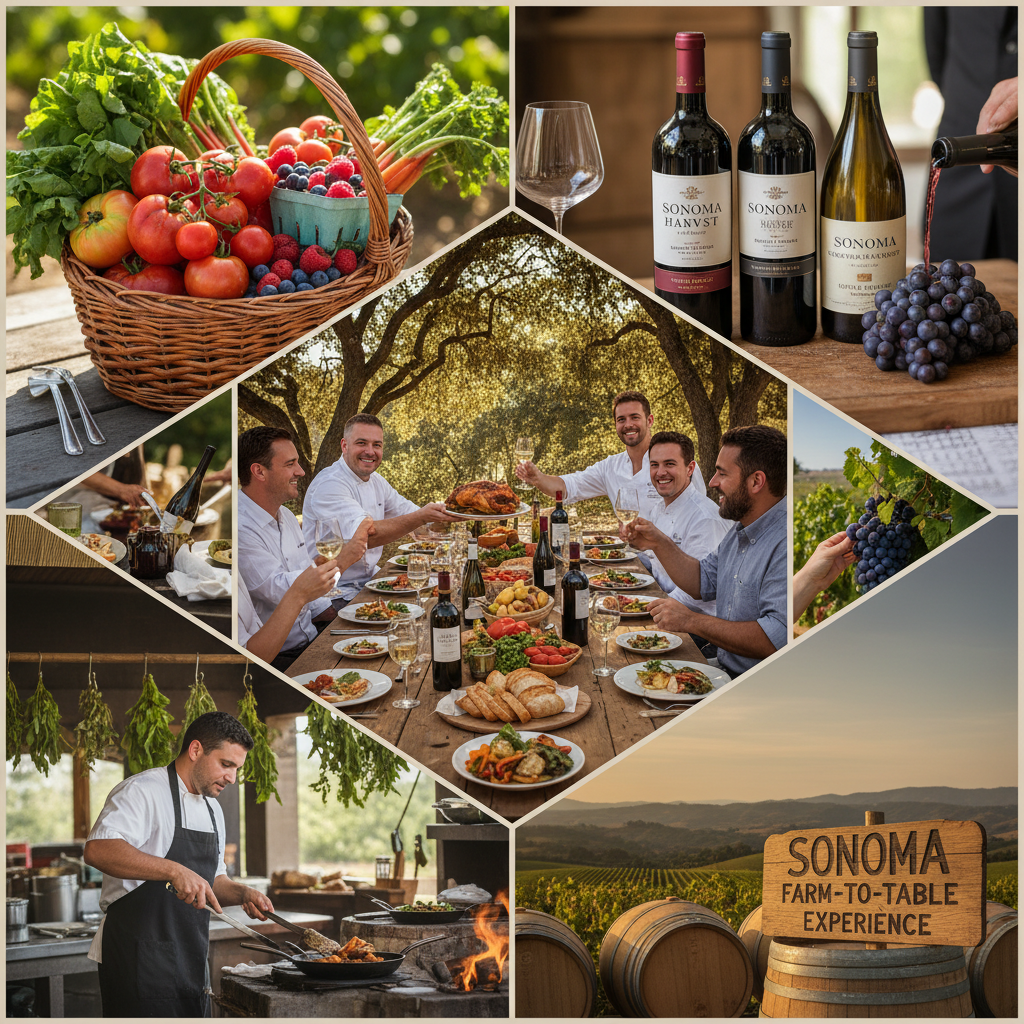
Sonoma Valley has cultivated a reputation for delivering culinary wine tours that seamlessly blend world-class viticulture with exceptional gastronomy. The region's distinctive approach centers on creating immersive experiences where expertly paired wines and dishes work in harmony to showcase the best of both worlds.
The Farm-to-Table Philosophy
At the heart of Sonoma's culinary wine tours lies a deep commitment to farm-to-table principles. Local vineyards and restaurants source ingredients from neighboring farms, ensuring that every dish reflects the season's freshest offerings. This philosophy creates a direct connection between the land, the wine, and the plate, allowing visitors to taste the authentic flavors of the region.
Many establishments partner with artisan producers, from cheese makers to olive oil craftsmen, to curate pairings that highlight local craftsmanship. The result is a dining experience that feels both intimate and rooted in the community's agricultural heritage.
Sustainable Practices Shaping the Experience
Sustainability has become a defining characteristic of wine tourism in the region. Many vineyards have adopted eco-friendly practices that enhance both the quality of their wines and the overall visitor experience. These practices range from organic farming methods to water conservation initiatives, reflecting a broader commitment to environmental stewardship.
Visitors often appreciate learning how sustainable viticulture influences flavor profiles and terroir expression. This educational component adds depth to tastings, transforming them from simple sampling sessions into meaningful explorations of responsible winemaking.
Distinctive Terroir and Its Culinary Impact
Sonoma's diverse microclimates and soil compositions create a terroir that produces wines with remarkable complexity and character. The region's proximity to the Pacific Ocean, combined with its varied elevations and exposures, results in grapes that express unique flavor profiles.
This distinctive terroir directly influences how chefs approach food pairings. A crisp wine from a cool-climate vineyard might be paired with fresh seafood, while a robust red from a warmer valley floor could complement richly braised meats. Understanding these connections enhances appreciation for both the wine and the culinary artistry behind each pairing.
The Integration of Wine and Cuisine
What truly sets Sonoma's culinary wine tours apart is the intentional integration of wine and cuisine throughout the experience. Rather than treating food as an afterthought, these tours position it as an equal partner in storytelling. Winemakers and chefs collaborate to design pairings that elevate both elements, creating moments where flavors interact in unexpected and delightful ways.
This collaborative approach extends to the tour format itself, with many experiences offering behind-the-scenes access to vineyards, kitchens, and production facilities. Guests gain insight into the craftsmanship required to produce both exceptional wines and memorable dishes.
Sources
Types of Food and Wine Experiences Available
Culinary wine tours come in many formats, each designed to highlight different aspects of the food and wine relationship. Understanding the spectrum of available experiences helps you choose tours that align with your interests, schedule, and culinary curiosity.
Seated Multi-Course Wine Dinners
Seated wine dinners represent the pinnacle of formal pairing experiences. These events typically feature four to seven courses, each thoughtfully matched with a specific wine selection. The pacing allows for conversation, detailed explanations from sommeliers or winemakers, and a leisurely appreciation of how each wine evolves alongside its paired dish.
These dinners often take place in estate dining rooms or vineyard pavilions, creating an intimate atmosphere where the connection between terroir and table becomes tangible.
Progressive Tasting Experiences
Progressive tastings move guests through multiple stations or venues, offering smaller portions of food paired with wines at each stop. This format provides variety and keeps the experience dynamic, as you sample different wine styles and culinary approaches within a single tour.
The progression might move from sparkling wines with light appetizers through whites with seafood preparations to reds with heartier fare, creating a natural arc that educates your palate.
Hands-On Cooking Demonstrations and Classes
Interactive cooking experiences add an educational dimension to culinary wine tours. Participants learn preparation techniques while discovering how cooking methods influence pairing decisions. These sessions might include hands-on cooking classes where you prepare dishes that will be enjoyed with selected wines.
The hands-on format deepens your understanding of why certain combinations work, making future pairing decisions more intuitive.
Wine and Cheese Pairing Tours
Specialized pairing tours focus on specific combinations that showcase regional traditions. Wine and cheese pairing tours unveil the intricate dance between regional wines and artisanal cheeses, offering travelers a profound understanding of local gastronomic traditions. These focused experiences allow for detailed exploration of texture, acidity, and flavor interactions.
The concentrated format makes these tours ideal for those with limited time or specific culinary interests.
Picnic and Outdoor Tasting Experiences
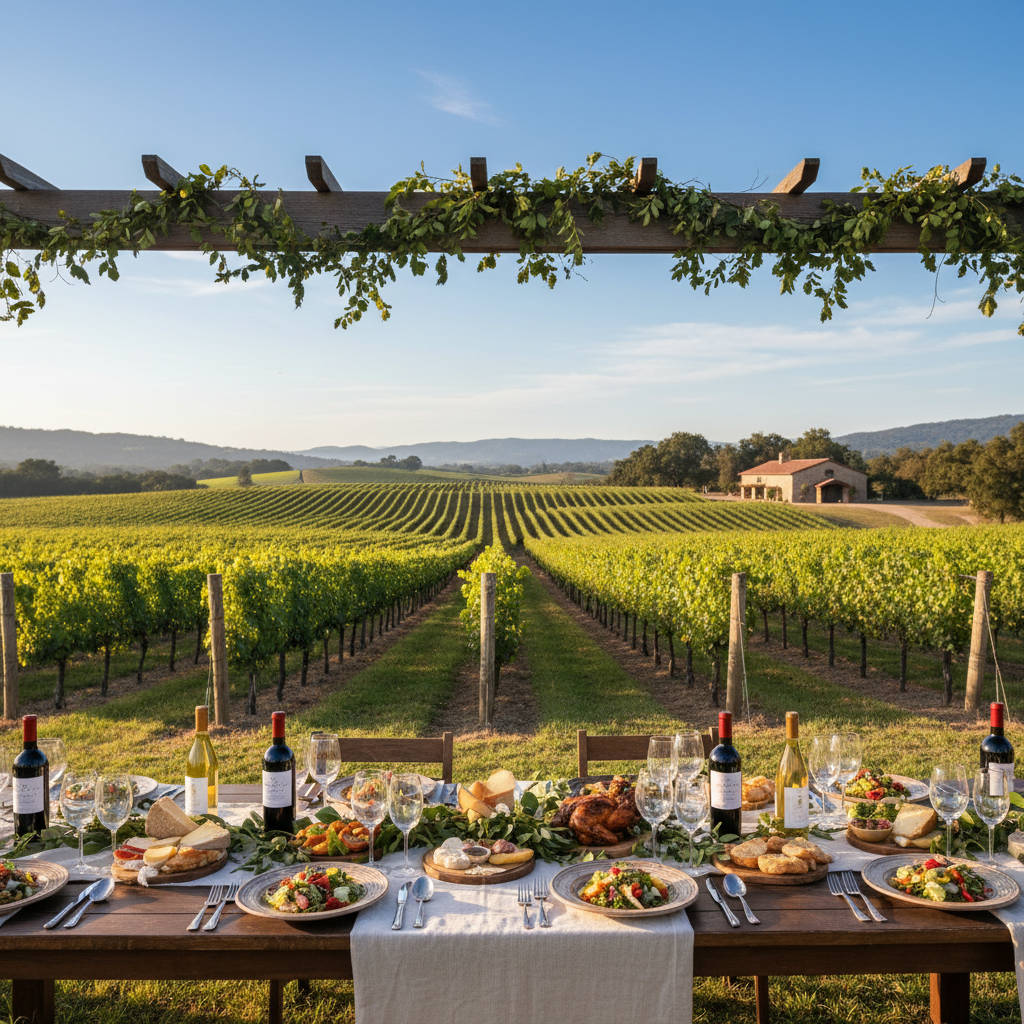
Casual outdoor experiences bring food and wine into vineyard settings, often featuring picnic-style spreads with artisan cheeses, charcuterie, seasonal produce, and freshly baked bread. The relaxed atmosphere encourages exploration and conversation while connecting you directly to the landscape where the grapes are grown.
These experiences work particularly well during favorable weather and provide excellent photo opportunities amid the vines.
Seasonal Harvest and Farm-to-Table Events
Seasonal events celebrate specific harvest periods or ingredient availability, creating time-sensitive experiences that reflect the agricultural calendar. Visits to local farms might precede meals prepared with just-harvested ingredients, paired with wines that complement the season's bounty.
These events emphasize the connection between viticulture, agriculture, and culinary traditions, offering insights into sustainable practices and regional food systems.
Choosing the Right Format for Your Preferences
Your ideal experience depends on several factors: desired formality level, time availability, interest in education versus pure enjoyment, group size, and whether you prefer structured or flexible itineraries.
Consider whether you want in-depth wine knowledge, culinary skill development, social interaction, or simply memorable flavors. Many visitors find that experiencing multiple formats during a visit provides the most comprehensive understanding of the region's culinary wine culture.
Sources
Understanding Wine and Food Pairing Principles
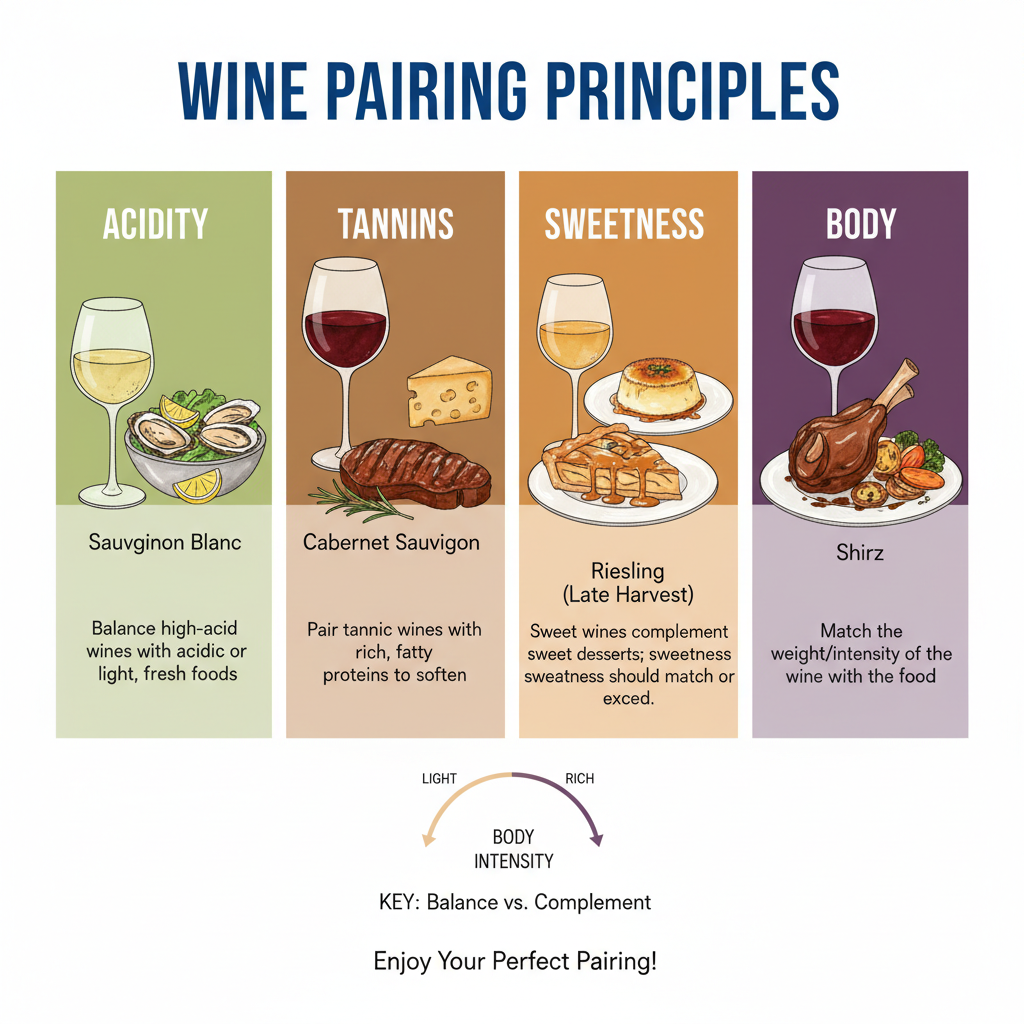
Successful wine and food pairing is both an art and a science, built on understanding how specific components in wine interact with flavors in food. When you grasp the fundamentals of balancing acidity, tannins, sweetness, and body, you can elevate any culinary wine tour from enjoyable to extraordinary.
The interplay between wine and food creates a sensory experience where each element enhances the other. Regional delicacies such as artisanal cheeses and charcuterie can intensify the experience by showing how the right flavors affect the taste of wine. This foundational knowledge transforms tasting from passive consumption into active exploration.
Acidity: The Backbone of Pairing
Acidity in wine acts as a palate cleanser, cutting through rich, fatty foods and refreshing your taste buds between bites. Wines with higher acidity pair beautifully with dishes that have similar acidic components or those that need brightness to balance richness.
Sonoma's crisp Chardonnays, particularly those with minimal oak influence, showcase vibrant acidity that complements seafood, salads with citrus vinaigrettes, and creamy pasta dishes. The wine's acidity cuts through butter sauces while echoing the bright notes in lemon-based preparations. When acidity levels match between wine and food, neither overwhelms the other.
Consider pairing a high-acid wine with tomato-based dishes, goat cheese, or grilled vegetables. The acidity in the wine mirrors these ingredients' natural tartness, creating harmony on the palate.
Tannins: Structure and Texture
Tannins are compounds found primarily in red wines, contributing astringency and structure. They create a drying sensation in your mouth and interact powerfully with proteins and fats in food. Understanding tannins is essential when pairing red wines with various dishes.
Sonoma's Cabernet Sauvignon, known for bold tannins and full body, pairs exceptionally well with protein-rich foods like grilled steaks, braised short ribs, and aged hard cheeses. The proteins in meat bind with tannins, softening the wine's astringency and allowing fruit flavors to shine through. This symbiotic relationship creates a more pleasant experience than either element alone.
Pinot Noir from Sonoma offers a gentler tannic structure, making it versatile for pairing with duck, salmon, mushroom-based dishes, and lighter meats. The softer tannins don't overpower delicate flavors while still providing enough structure to complement savory preparations.
Sweetness: Balancing Intensity
Sweetness in wine must be considered carefully when pairing with food. A fundamental rule is that wine should be as sweet as or sweeter than the dish to avoid tasting flat or overly acidic. Dessert wines naturally pair with sweet courses, but sweetness also plays a role in balancing spicy or salty foods.
When encountering dishes with heat or significant spice, wines with a touch of residual sweetness can temper the burn and refresh the palate. Off-dry white wines work beautifully with Asian-inspired cuisine, spicy preparations, and dishes featuring fruit components.
Sweetness also balances saltiness effectively. Consider how a slightly sweet wine complements salty cheeses, cured meats, or dishes with soy-based sauces. The contrast creates balance rather than competition.
Body: Matching Weight and Intensity
Body refers to the weight and texture of wine in your mouth, ranging from light and delicate to full and rich. Matching the body of wine to the weight of food ensures neither element dominates the pairing.
Light-bodied wines pair with lighter fare—think crisp whites with salads, seafood, and vegetable-forward dishes. Medium-bodied wines bridge the gap, working well with poultry, pork, and moderately rich preparations. Full-bodied wines demand heartier foods like red meats, rich stews, and bold-flavored dishes.
Sonoma's diverse portfolio allows you to match wine body to cuisine seamlessly. A delicate Chardonnay complements fresh oysters, while a robust Cabernet Sauvignon stands up to a richly marbled ribeye. Pinot Noir's medium body makes it the perfect bridge wine for dishes that fall between extremes.
Complementary Versus Contrasting Pairings
Two fundamental approaches guide pairing decisions: complementary and contrasting. Complementary pairings match similar flavors and characteristics—earthy wines with mushroom dishes, fruity wines with fruit-based sauces, or buttery wines with cream-based preparations.
Contrasting pairings create balance through opposition. A crisp, acidic wine cuts through rich, fatty foods. A sweet wine tempers spicy heat. A tannic red softens when paired with protein-rich dishes. Both approaches work beautifully when executed with attention to intensity and balance.
The key is ensuring that one element doesn't overpower the other. Delicate wines need delicate foods; bold wines require bold flavors. When intensity levels match, both wine and food can shine.
Practical Application in Sonoma Culinary Wine Tours
Applying these principles during culinary wine tours transforms your experience from casual tasting to intentional exploration. When presented with a pairing, consider which principle is at work. Does the wine's acidity complement the dish's brightness? Do the tannins soften with the protein on your plate? Is the body of the wine matched to the weight of the food?
Ask questions during your tour about why specific pairings were chosen. Understanding the reasoning behind combinations deepens your appreciation and helps you recreate successful pairings at home. Many tour guides welcome curiosity and enjoy explaining their pairing philosophy.
Experiment with adjusting elements. If a pairing feels off, consider whether adding acid (a squeeze of lemon), fat (a drizzle of olive oil), or salt might bring it into balance. Small adjustments can dramatically shift how wine and food interact.
Sources
9 Signature Pairing Experiences to Seek in Sonoma
Sonoma Valley offers a diverse array of culinary wine tour experiences that cater to every palate and preference. From intimate tastings to elaborate multi-course meals, these nine experience types showcase the region's commitment to pairing exceptional wines with thoughtfully prepared cuisine.
Estate Wineries with Chef-Led Tastings
Many Sonoma estates feature on-site culinary programs where visiting chefs or resident culinary directors guide guests through structured tastings. These experiences typically pair three to five wines with small plates designed to highlight specific flavor profiles. Expect seasonal ingredients sourced from local farms, prepared in ways that complement the winery's signature varietals.
Hillside Vineyards with Farm-to-Table Lunches
Perched on scenic hillsides, several properties offer multi-course lunches served al fresco among the vines. These experiences emphasize the connection between terroir and table, with menus that change based on harvest availability. Guests enjoy sweeping valley views while savoring dishes that reflect Sonoma's agricultural bounty paired with estate wines.
Family-Run Properties with Artisan Cheese Pairings
Intimate, family-operated wineries often collaborate with local creameries to create curated cheese and wine experiences. These tastings explore how different cheese styles—from fresh chèvre to aged cheddar—interact with various wine profiles. The relaxed atmosphere encourages conversation about winemaking traditions and cheese-making craftsmanship.
Boutique Wineries with Charcuterie and Small Bites
Smaller production wineries frequently offer charcuterie-focused experiences featuring locally cured meats, house-made pâtés, and seasonal accompaniments. These casual yet refined tastings allow guests to explore how salt, fat, and umami flavors enhance wine characteristics. The format encourages leisurely exploration of the winery's portfolio.
Historic Estates with Multi-Course Wine Dinners
Several historic Sonoma properties host exclusive wine dinners in restored cellars or elegant dining rooms. These evening events typically feature four to six courses, each paired with a specific wine selected to enhance the progression of flavors. Winemakers or sommeliers often join guests to discuss the pairing philosophy and answer questions.
Vineyard Properties with Seasonal Harvest Celebrations
During peak harvest season, many wineries organize special culinary events that celebrate the year's bounty. These experiences might include grape stomping, barrel tastings, and feasts featuring dishes prepared with just-harvested produce. The festive atmosphere captures the excitement of crush season while showcasing food and wine in harmony.
Organic and Biodynamic Farms with Garden-to-Glass Experiences
Properties committed to sustainable practices often offer tours that connect vineyard management to culinary outcomes. Guests walk through organic gardens and vineyards before enjoying tastings paired with vegetables, herbs, and edible flowers grown on-site. These experiences emphasize the relationship between farming philosophy and flavor.
Tasting Rooms with Rotating Chef Collaborations
Some Sonoma tasting rooms host visiting chefs who create limited-time pairing menus. These collaborations bring fresh perspectives to wine pairing, often incorporating global flavors or innovative techniques. The rotating nature ensures repeat visitors discover new culinary wine tour possibilities throughout the year.
Private Reserve Experiences with Exclusive Library Wines
For those seeking something extraordinary, private reserve tastings pair library wines—older vintages from the winery's collection—with specially prepared dishes. These intimate sessions explore how wines evolve with age and how food pairings must adapt accordingly. The experience offers insight into both winemaking legacy and culinary creativity.
Each of these experience types demonstrates Sonoma's dedication to creating memorable culinary wine tours that engage all the senses. Whether you prefer casual tastings or formal dinners, the valley's diverse offerings ensure you'll find experiences that resonate with your personal preferences.
Sources
Seasonal Considerations for Culinary Wine Tours
Each season in Sonoma Valley brings its own distinct character to culinary wine tours, shaping everything from the ingredients on your plate to the ambiance of your tasting experience. Understanding these seasonal rhythms can help you choose the ideal time for your visit and set appropriate expectations for what awaits.
Spring: Fresh Beginnings and Vibrant Flavors
Spring ushers in a season of renewal across Sonoma's vineyards and culinary landscape. As vines awaken with new growth, local farms harvest the first tender greens, asparagus, and spring vegetables that frequently appear in tour menus. Culinary wine tours during this period often feature lighter fare that pairs beautifully with crisp whites and delicate rosés.
The weather becomes increasingly pleasant for outdoor tastings, though occasional rain showers mean you should pack layers. Spring also marks the beginning of the busy season, so booking three to four weeks in advance becomes advisable, particularly for weekend experiences.
Summer: Al Fresco Dining and Peak Season Energy
Summer transforms Sonoma into an outdoor dining paradise. Many culinary wine tours take full advantage of the warm, dry weather by hosting experiences on vineyard patios, garden terraces, and hillside overlooks. The extended daylight hours allow for leisurely afternoon tastings that stretch into golden-hour magic.
Expect menus featuring stone fruits, heirloom tomatoes, and grilled preparations that complement both the season and the region's fuller-bodied wines. This is peak tourist season, so advance reservations become essential—ideally six to eight weeks ahead for popular experiences. Be prepared for warmer temperatures and dress accordingly with sun protection.
Fall: Harvest Celebrations and Abundant Pairings
Fall represents the most celebrated season for culinary wine tours in Sonoma. Harvest time brings an electric energy to the valley as grapes are picked and crushed, and many estates offer special harvest-themed experiences. Menus showcase the season's bounty: wild mushrooms, squash, root vegetables, and game meats that pair exceptionally with the region's robust reds.
The weather remains ideal—warm days with cooler evenings—and the changing vine leaves create stunning backdrops for your tastings. This is also the busiest season for wineries, so booking two to three months in advance is recommended, especially for October weekends when harvest celebrations peak.
Winter: Cozy Tastings and Hearty Comfort Pairings
Winter offers a quieter, more intimate side of Sonoma's culinary wine tour scene. While some outdoor experiences become limited, many estates shift to cozy indoor tastings featuring fireplaces, intimate dining rooms, and a focus on heartier fare. Expect rich braises, aged cheeses, cured meats, and warming soups that complement bold, structured wines.
This season provides excellent value, as some properties offer special winter pricing or extended experiences. The pace is more relaxed, and you'll often enjoy more personalized attention from hosts and winemakers. Booking one to two weeks ahead is typically sufficient, though holiday periods require more advance planning.
Timing Your Booking for Optimal Experiences
Regardless of season, advance reservations are essential for culinary wine tours. Most properties require bookings at least two weeks ahead, with popular experiences and peak seasons demanding significantly more lead time. Consider these timing guidelines:
- Spring and Summer: Book 4-8 weeks in advance
- Fall (especially September-October): Book 8-12 weeks in advance
- Winter: Book 2-4 weeks in advance
- Holiday periods and special events: Book 3+ months in advance
Flexibility with your schedule can also work in your favor. Mid-week visits often provide more availability and sometimes more intimate experiences than weekend tours. If you have specific dietary requirements or are traveling with a larger group, communicate these needs when booking to ensure the experience can be tailored appropriately.
Planning Your Culinary Wine Tour: Practical Tips
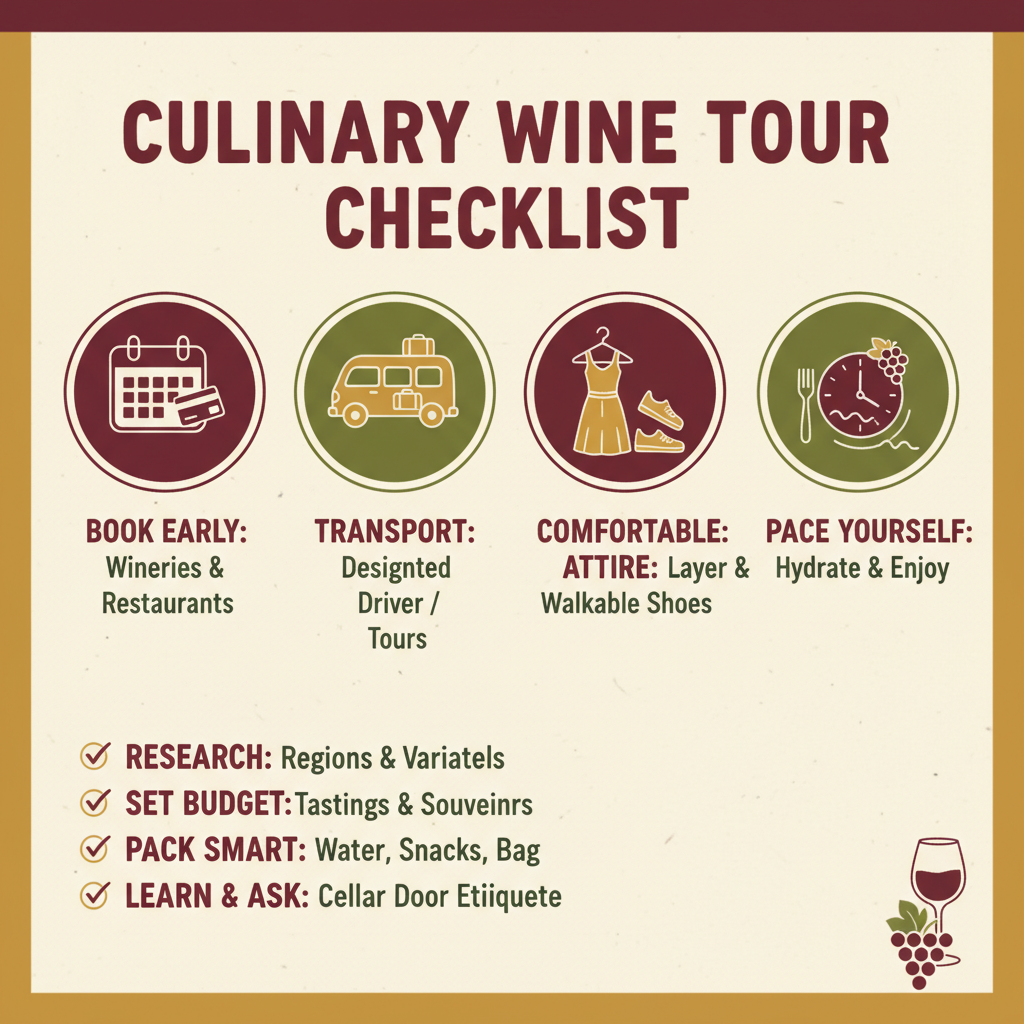
A successful culinary wine tour requires thoughtful preparation to ensure every tasting and pairing unfolds smoothly. From securing reservations to choosing the right transportation, careful planning transforms a good day into an unforgettable experience. This section provides practical guidance to help you navigate the logistics with confidence.
Making Advance Reservations
Many Sonoma wineries offering food and wine pairings require advance bookings, especially for seated tastings and multi-course experiences. Reserve at least two to four weeks ahead during peak season to secure your preferred dates and times. When booking, communicate any dietary restrictions or allergies clearly—most venues can accommodate special requests with sufficient notice. Smaller group sizes, typically four to eight people, often receive more personalized attention and allow for deeper engagement with winemakers and chefs.
Choosing Transportation Options
Safe, reliable transportation is essential for enjoying wine tastings responsibly. Consider hiring a private driver, joining a guided tour, or using ride-sharing services to move between venues. Designated driver arrangements work well for smaller groups, but professional transportation allows everyone to participate fully in tastings. Plan your route to minimize driving time between stops, grouping nearby wineries together for a more relaxed pace.
Budgeting for Your Experience
Culinary wine tours vary widely in cost depending on the venues and pairing complexity. Set a realistic budget that accounts for tasting fees, food pairings, gratuities, and transportation. Premium experiences with multi-course meals and reserve wines will command higher prices, while more casual tastings offer excellent value. Knowing your preferences—from wine styles to desired pace and food pairings—helps create an itinerary perfectly matched to your interests and budget.
Dressing Appropriately
Comfort and practicality should guide your wardrobe choices. Opt for smart-casual attire that works both indoors and outdoors, as many tours include vineyard walks or terrace seating. Layering is key, since temperatures can shift throughout the day. Comfortable, closed-toe shoes are essential for navigating gravel paths and cellar floors. Avoid heavy fragrances that might interfere with wine aromas.
Pacing Your Day for Maximum Enjoyment
Balance is critical to avoiding palate fatigue and overindulgence. Limit your itinerary to three or four wineries per day, allowing ample time at each location to savor pairings and absorb the experience. Start with lighter wines and progress to bolder styles as the day unfolds. Drink plenty of water between tastings, and don't hesitate to use spit buckets when sampling multiple wines. Mix wine tastings with sightseeing or outdoor activities for a well-rounded day that keeps energy levels steady.
Sources
Enhancing Your Food and Wine Experience
The difference between a good culinary wine tour and an unforgettable one often lies in how deeply you engage with the experience. Beyond simply tasting what's poured, taking an active role in your journey—asking thoughtful questions, capturing memories, and connecting with the people behind the wine and food—transforms a pleasant afternoon into a rich cultural exploration.
Engaging with Winemakers and Chefs
Winemakers and chefs are passionate storytellers who love sharing the craft behind their creations. When you meet them during your tour, approach the conversation with genuine curiosity. Ask about their inspiration for specific pairings, the challenges of the growing season, or what makes their production methods unique. These conversations offer insights you won't find on any label or menu, and they reveal the human element that makes each glass and plate special.
Culinary tours led by local chefs offer particularly deep insights into how different tastes can harmonize and complement each other, transforming simple tastings into immersive cultural explorations. Don't hesitate to share your own impressions or preferences—the dialogue enriches the experience for everyone involved.
Asking the Right Questions
Thoughtful questions demonstrate your interest and help you learn more effectively. Instead of simply asking "What am I tasting?" try questions like: "What inspired this particular pairing?" or "How does the terroir influence this wine's character?" Inquire about the winemaker's philosophy on food compatibility, or ask the chef which element of a dish they designed specifically to complement the wine.
Questions about process are equally valuable: "How long did this wine age?" or "What technique brings out this flavor in the dish?" These queries open doors to deeper understanding and often lead to unexpected stories that make the experience memorable.
Taking Effective Tasting Notes
Capturing your impressions in the moment helps you remember what you loved and why. Keep a small notebook or use your phone to jot down quick observations: the wine's name, the pairing, and your immediate reactions. Note specific flavors you detect, textures that stand out, and how the food and wine interact on your palate.
Don't worry about using "correct" wine vocabulary—your personal language is more meaningful. Phrases like "reminded me of summer berries" or "the cheese made the wine taste smoother" are perfectly valid. These notes become invaluable when you're trying to recreate pairings at home or recommend experiences to friends.
Photography Etiquette and Capturing Memories
Photography is a wonderful way to preserve your culinary wine tour memories, but it's important to be mindful of the setting and other guests. Before taking photos, check if flash photography is permitted, as bright lights can disrupt the ambiance and distract fellow tasters. Keep photo sessions brief so you remain present in the experience rather than viewing it entirely through a screen.
Focus on capturing the beauty of the setting, the artistry of the plating, and the colors of the wine in natural light. A few well-composed shots of your glass against the vineyard backdrop or a beautifully arranged charcuterie board will serve as better mementos than dozens of hurried snapshots. Always ask permission before photographing staff or other guests.
Recreating Pairings at Home
One of the joys of culinary wine tours is bringing the experience home with you. When you discover a pairing you love, ask if the wine is available for purchase or note where you can find similar bottles. Request the names of cheeses, charcuterie, or other components so you can source them locally or find comparable alternatives.
The tasting experience shows how the right flavors can affect the taste of wine, with regional delicacies such as artisanal cheeses and charcuterie intensifying enjoyment. Pay attention to the principles behind successful pairings—balancing richness with acidity, matching intensity levels, or creating complementary flavor bridges—so you can apply these concepts with different ingredients.
Start simple when recreating pairings: if a creamy cheese worked beautifully with a buttery Chardonnay on your tour, experiment with different creamy cheeses at home to see how subtle variations affect the pairing. Keep your tasting notes handy as a reference, and don't be afraid to improvise based on what you learned.
Continuing Your Education
The learning doesn't end when your tour concludes. Many wineries offer wine club memberships that include educational materials and exclusive access to new releases. Consider taking a wine education course or attending local tasting events to deepen your knowledge. The more you understand about wine and food pairing principles, the more confidently you can experiment and create your own memorable combinations.
Each culinary wine tour builds your palate and expands your appreciation for the intricate dance between vineyard bounty and culinary craftsmanship. By engaging fully, asking questions, and capturing your experiences thoughtfully, you transform each visit into a lasting source of knowledge and inspiration.
Sources
Making the Most of Your Sonoma Valley Visit
While culinary wine tours form the centerpiece of any Sonoma Valley adventure, the region offers a wealth of complementary experiences that can transform a single-day excursion into an immersive multi-day journey. Extending your visit allows you to discover the artisan producers, seasonal markets, and cultural touchpoints that make this wine country destination truly special.
Exploring Local Farmers Markets and Artisan Producers
Sonoma Valley's agricultural heritage extends far beyond its vineyards. The region's farmers markets showcase seasonal produce, artisan cheeses, small-batch olive oils, and handcrafted preserves that reflect the same terroir-driven philosophy found in local wines. Visiting these markets in the morning before your afternoon wine tour provides an opportunity to source ingredients that complement your tasting experience.
Many artisan food producers welcome visitors by appointment, offering behind-the-scenes tours of their operations. Cheese makers, olive oil producers, and specialty bakers often provide tastings that deepen your understanding of how local ingredients contribute to the region's culinary identity. These visits create natural connections between the foods you encounter on wine tours and their origins.
Choosing Wine Country Accommodations Strategically
Selecting lodging near your planned wine tour routes minimizes travel time and maximizes your experience. Boutique inns and bed-and-breakfasts throughout Sonoma Valley often feature wine-themed amenities, knowledgeable hosts who can recommend lesser-known tasting rooms, and farm-to-table breakfasts that set the tone for your day.
Consider accommodations that offer late checkout options or secure wine storage, as these practical features enhance the logistics of a multi-stop tour day. Properties with walking access to downtown tasting rooms or restaurants provide flexibility for evening explorations without driving concerns.
Extending the Experience Beyond the Tour
Building downtime into your itinerary allows you to absorb and reflect on your tasting experiences. Many visitors find that scheduling a spa treatment, a leisurely hike through vineyard landscapes, or simply relaxing on a winery terrace with a glass of wine creates balance in an otherwise activity-packed trip.
Dining at restaurants not affiliated with your tour wineries exposes you to different interpretations of wine country cuisine and introduces you to additional local producers. Chef-driven establishments often feature rotating menus that highlight seasonal ingredients and creative pairing approaches you can learn from and adapt at home.
Creating a Personalized Wine Country Itinerary
The most memorable Sonoma Valley visits blend structured wine tour experiences with spontaneous discoveries. Leave room in your schedule for unplanned stops at roadside farm stands, impromptu tastings at small-production wineries, or conversations with locals who can point you toward hidden gems.
Consider organizing your days by geographic cluster rather than trying to cover the entire valley in one visit. Focusing on a specific sub-region each day—whether Russian River Valley, Sonoma Mountain, or Carneros—allows for deeper exploration and reduces time spent in transit between widely separated locations.
Conclusion
Culinary wine tours in Sonoma offer more than just a day of tastings—they provide a transformative journey through the region's rich tapestry of flavors, traditions, and craftsmanship. From expertly paired wines and gourmet dishes to the stories behind each vineyard, these food and wine experiences create lasting memories that deepen your appreciation for the art of pairing.
As a Sonoma Valley native, I've witnessed firsthand how these tours awaken the senses and forge connections between people, place, and palate. Organizing a wine tour with food pairings for visiting friends reminded me of the magic that happens when you guide someone through their first perfectly paired bite and sip—the moment when flavors align and understanding clicks into place.
Whether you're drawn to intimate estate pairings, hands-on culinary workshops, or seasonal harvest celebrations, Sonoma's diverse offerings ensure there's an experience tailored to your preferences. The principles you've learned about balancing acidity, matching intensity, and considering texture will serve you well beyond your visit, enriching your everyday dining experiences.
Now is the time to transform your wine country aspirations into reality. Book your culinary wine tour with confidence, knowing you're prepared to fully engage with each carefully crafted pairing. Embrace the opportunity to explore Sonoma's vineyards, meet passionate winemakers, and discover the unforgettable symphony of flavors that awaits in this celebrated wine region.

Written by
Sophia Bennett
Published March 2, 2026 · 26 min read
Sophia Bennett is a celebrated writer and Sonoma Valley native, recognized for her extensive knowledge in wine, food pairing, and dining experiences. With over two decades of immersion in the region's wine culture, she has cultivated a deep passion for gastronomy and shares her insights through engaging articles that inspire readers to explore the world of wine and culinary delights.
Plan Your Wine Country Visit
Experience everything Sonoma Valley has to offer from our centrally-located suites.