
Group Wine Trips: 9 Essential Tips for Stress-Free Planning
Discover expert advice for group wine trips in Sonoma and beyond. Plan unforgettable wine country experiences with friends using these proven tips.
 Sophia Bennett
Introduction
Key Takeaways
- Group wine trips create memorable bonding experiences that go far beyond simple tastings
- Proper planning transforms a casual outing into a stress-free adventure for everyone
- Sonoma Valley offers the perfect backdrop for friends and family to explore wine country together
- Understanding group dynamics, transportation, and pacing ensures a successful trip
- Expert tips help you navigate logistics while keeping the focus on connection and enjoyment
Growing up in the heart of Sonoma Valley, I quickly learned that the best way to appreciate wine is with good company. One crisp autumn morning, I gathered a group of close friends at a local breakfast spot, our excitement building as we prepared to explore the region's vineyards. That day reminded me why group wine trips are so special—they're not just about the tasting, but about the connections we forge along the way.
As we moved from one picturesque vineyard to another, each stop brought new discoveries. We laughed over shared wine flights, learned from passionate vintners who told stories of their craft, and savored the earthy scent of fermenting grapes. By day's end, our bonds had deepened in ways that only a shared adventure can create.
Planning a successful group wine trip requires more than just picking a few wineries and hoping for the best. The difference between a chaotic outing and a seamless experience comes down to understanding the essential elements: ideal group sizes, transportation logistics, pacing your itinerary, and choosing vineyards that match your group's personality.
Whether you're organizing a reunion with old friends, a family celebration, or a special occasion with your favorite people, this guide will walk you through nine essential tips for creating an unforgettable wine country experience. From budgeting strategies to reservation coordination, you'll discover how to handle every detail while keeping the focus where it belongs—on connection, discovery, and the joy of exploring wine together.
Explore wine tours for friends and family in Sonoma. Get expert tips for unforgettable group wine experiences in wine country.
Focus keyword: group wine trips
Tone: professional
Table of Contents
- Introduction — Hook readers with Sophia's personal autumn morning story, establish her Sonoma Valley credentials, and preview how group wine tours create bonding experiences beyond just tasting.
- Table of Contents — Programmatically generated navigation for the article sections.
- Why Sonoma Is Perfect for Group Wine Experiences — Explain what makes Sonoma uniquely suited for groups: diverse vineyard styles, proximity between wineries, welcoming atmosphere, range of experiences from intimate to large-format tastings.
- Ideal Group Sizes and Dynamics — Guide readers on optimal group sizes (4-6 intimate, 8-12 standard, 15+ large), how different sizes affect experience quality, and tips for managing mixed wine knowledge levels within groups.
- Transportation Options for Group Safety and Convenience — Cover transportation solutions: private shuttles, limousines, party buses, designated driver services. Emphasize safety, logistics, and how the right transport enhances the social experience.
- Planning Your Itinerary: Timing and Pacing — Provide practical scheduling advice: how many wineries per day (3-4 ideal), time allocation per stop, building in meal breaks, seasonal considerations, and balancing education with relaxation.
- Wine Tours for Friends: Choosing the Right Vineyard Styles — Help readers select vineyards that match group interests: family-owned boutique experiences, educational production tours, scenic picnic-friendly estates, and reserve tasting rooms. Include focus keyword in title.
- Food Pairing and Dining Considerations — Leverage Sophia's food pairing expertise: incorporating cheese and charcuterie, planning vineyard lunches, working with properties that offer culinary experiences, and coordinating group dietary needs.
- Budgeting and Cost Management for Groups — Break down typical costs: tasting fees, transportation, meals, wine purchases. Offer strategies for splitting expenses, finding group discounts, and maximizing value without sacrificing quality.
- Making Reservations and Coordinating Logistics — Practical coordination advice: advance booking timelines, communicating group size changes, handling deposits, creating shared itineraries, and designating a point person for communication.
- Conclusion — Circle back to the bonding power of shared wine experiences, encourage readers to start planning their group adventure, and reinforce that Sonoma's welcoming spirit makes group tours accessible and memorable.
11 sections
Why Sonoma Is Perfect for Group Wine Experiences
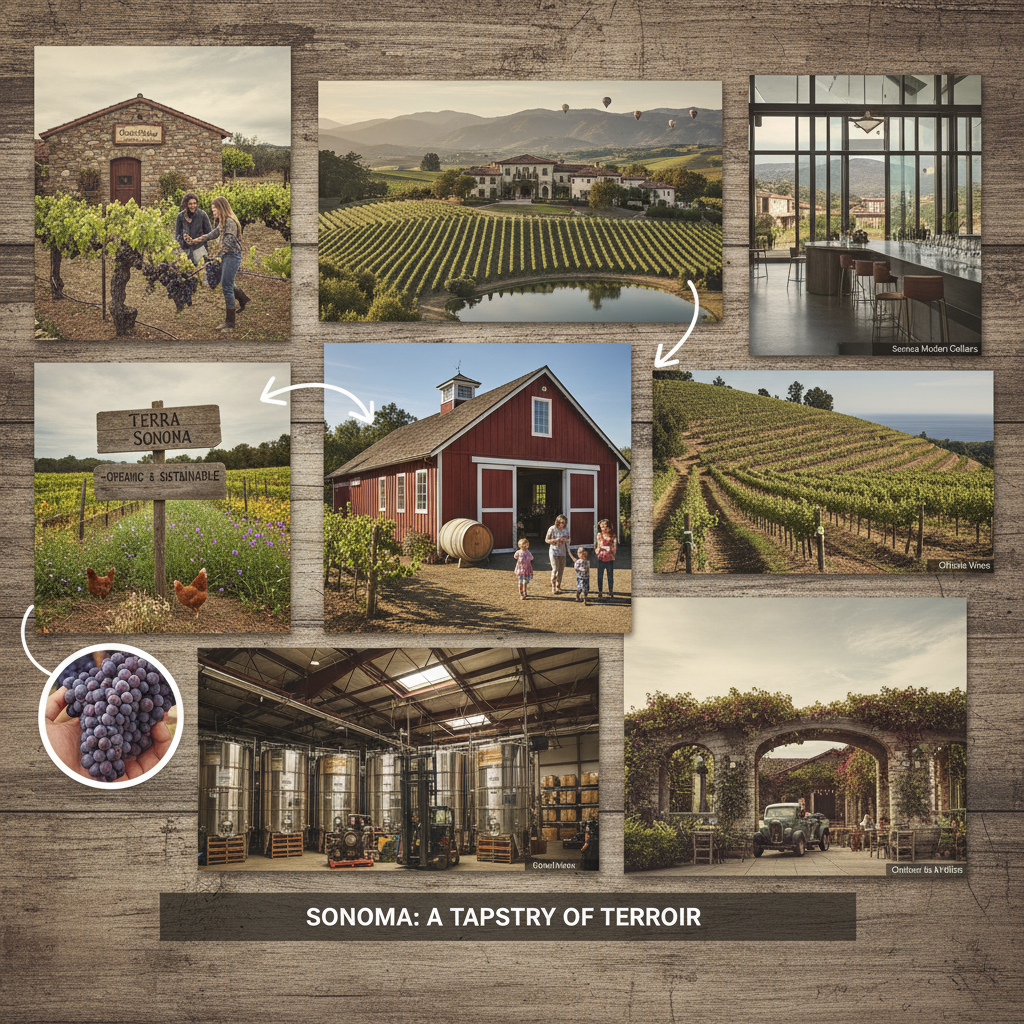
Sonoma stands out as an exceptional destination for group wine trips, offering a welcoming atmosphere that caters to gatherings of all sizes. The region's charm lies in its ability to balance intimate experiences with larger group accommodations, making it ideal whether you're planning a close-knit tasting with a few friends or a celebration with extended family.
One of Sonoma's greatest advantages is the variety of vineyard styles available. From rustic, family-owned estates to modern tasting rooms with expansive outdoor spaces, the region provides options that suit different group dynamics and preferences. This diversity means you can craft an itinerary that keeps everyone engaged, whether your group prefers educational deep-dives into winemaking or relaxed, social tastings.
Proximity and Accessibility
The compact geography of Sonoma wine country makes it incredibly convenient for group tours. Wineries are typically situated close to one another, reducing travel time between stops and allowing your group to visit multiple vineyards in a single day without feeling rushed. This proximity also means less time in transit and more time enjoying the experiences that brought you together.
Many venues in the region have adapted their offerings specifically for groups, providing dedicated spaces and flexible tasting formats. Some wineries feature outdoor tasting areas that allow for self-paced exploration, perfect for groups where members want to move at their own rhythm while still staying together.
Range of Experience Formats
Sonoma excels at offering both intimate and large-format tasting experiences. Smaller groups can enjoy personalized attention from knowledgeable staff who share insights into terroir and winemaking techniques. Larger parties can take advantage of venues designed to accommodate bigger gatherings, with programs and events that enhance the social aspect of wine tourism.
The region's welcoming culture extends beyond the tasting rooms. Local tour operators provide options like bike tours and passenger van services that allow groups to explore the countryside safely while visiting several wineries. These guided experiences often include meal options, turning your wine tour into a full-day culinary adventure.
Whether your group consists of seasoned wine enthusiasts or curious beginners, Sonoma's blend of accessibility, variety, and hospitality creates the perfect backdrop for memorable shared experiences.
Sources
Ideal Group Sizes and Dynamics
Choosing the right group size can make or break your wine country adventure. Too small and you might miss out on the lively energy that makes group wine trips so memorable. Too large and the experience can feel rushed or impersonal.
Let's break down what works best for different types of wine tours.
Intimate Groups: 4-6 People
Small groups offer the most personalized experience. With just four to six friends, you'll enjoy deeper conversations with winemakers and more flexibility in your schedule. This size works beautifully for close-knit groups who want to savor every moment without feeling hurried.
The trade-off? Costs per person tend to be higher since you're splitting transportation and guide fees among fewer people. But the payoff is worth it—you'll get personal attention that larger groups simply can't match.
Standard Groups: 8-12 People
This is the sweet spot for most wine tours. Groups of eight to twelve strike an ideal balance between social energy and intimate experience. You'll have enough people to keep the conversation flowing and share the costs, while still maintaining a manageable dynamic.
At this size, most wineries can accommodate you comfortably in their tasting rooms. You'll also find it easier to coordinate schedules and preferences without the complexity that comes with larger parties.
Large Groups: 15+ People
Planning for fifteen or more? You're in for a festive celebration, but expect to make some compromises. Large groups create incredible energy and are perfect for special occasions like reunions or milestone birthdays.
However, you'll need to be more selective about which wineries can handle your size. Many boutique vineyards cap group sizes, so advance planning becomes critical. Consider splitting into smaller tasting groups at each stop to maintain quality interactions.
Managing Mixed Knowledge Levels
Every group has a mix—from wine novices to certified sommeliers. The key is setting expectations upfront. Choose wineries that offer educational components without being overly technical.
Encourage questions and create a judgment-free atmosphere. The beauty of wine tours for friends and family is that everyone learns something new, regardless of their starting point. Pair experienced wine lovers with newcomers during tastings to foster natural mentorship.
Remember, the goal is connection and enjoyment, not competition. When everyone feels comfortable exploring at their own pace, the entire group benefits from richer conversations and shared discoveries.
Sources
Transportation Options for Group Safety and Convenience
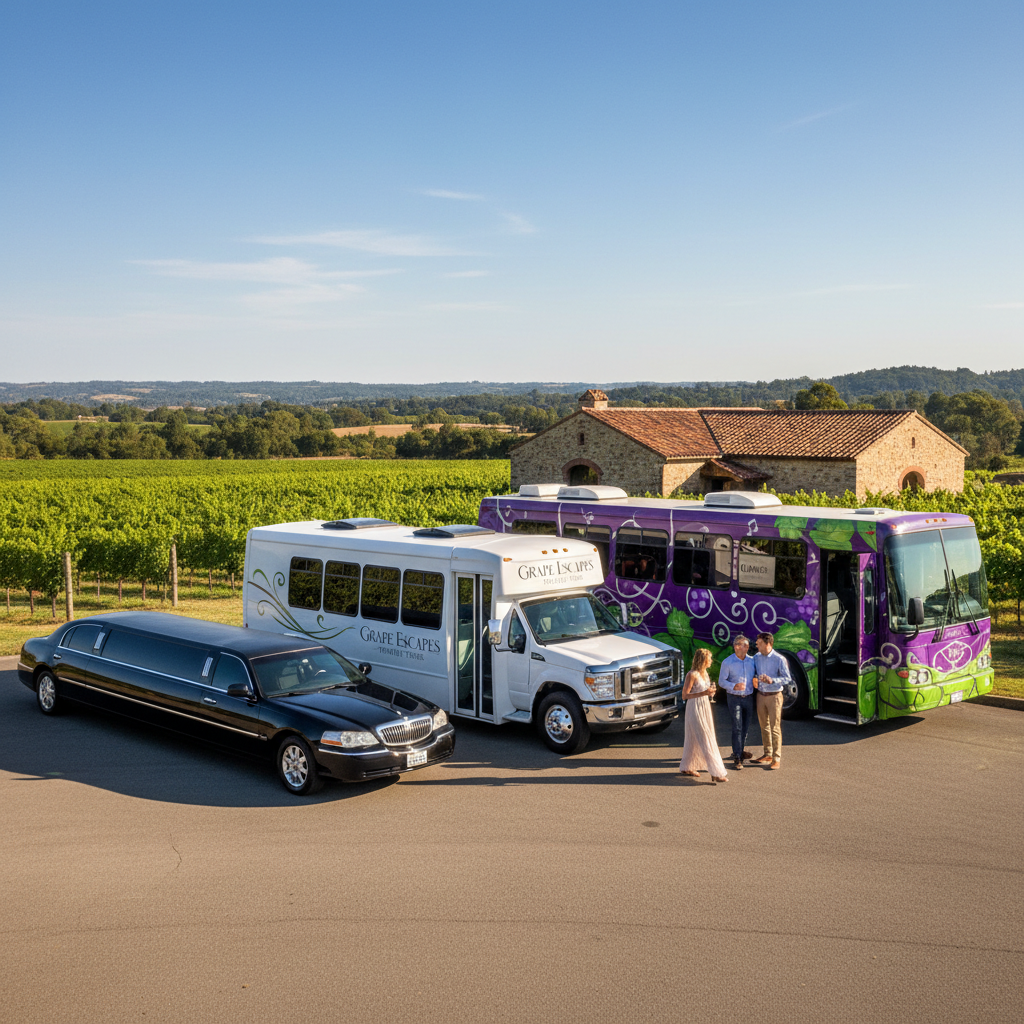
Choosing the right transportation for your group wine trip transforms a good day into an exceptional experience. Beyond the obvious safety benefits of having a designated driver, the right vehicle creates a mobile gathering space where your group can relax, share impressions between tastings, and truly enjoy the journey through wine country.
The transportation you select shapes the entire dynamic of your outing. It's not just about getting from point A to point B—it's about creating an atmosphere where everyone feels comfortable, safe, and ready to savor each moment.
Guided Wine Tours: Local Expertise and Built-In Safety
Guided wine tours offer a comprehensive solution that combines transportation with insider knowledge. Professional tour operators bring local expertise that helps groups navigate the best wineries, understand optimal timing, and discover hidden gems you might otherwise miss.
The designated driver component is built right in, eliminating any safety concerns from the start. Your group can focus entirely on the tasting experience while the guide handles navigation, reservations, and logistics. This option works particularly well for groups visiting wine country for the first time or those who want a curated, stress-free experience.
Private Transportation Options for Different Group Sizes
For smaller groups of 4-8 people, private shuttles or luxury SUVs provide an intimate setting with plenty of comfort. These vehicles offer flexibility in your itinerary while maintaining a sophisticated atmosphere.
Larger groups of 10-15 often benefit from party buses or mini-coaches. These options keep everyone together, fostering the social energy that makes group wine trips memorable. The shared space encourages conversation and creates a festive atmosphere between vineyard stops.
Limousine services strike a balance between elegance and practicality, working well for special occasions or groups seeking a more refined experience. The key is matching the vehicle style to your group's personality and the overall vibe you want to create.
Planning Ahead for Transportation Success
Booking your transportation well in advance is essential, especially during peak wine country seasons. Popular tours and premium transportation services fill up quickly, and last-minute arrangements often mean settling for less-than-ideal options.
Consider the practical details: Does the vehicle have adequate climate control for warm afternoons? Is there storage space for wine purchases? Can the driver accommodate route changes if your group wants to extend a particularly enjoyable stop?
Communicate your itinerary clearly with your transportation provider, including pickup times, winery addresses, and any special requests. A well-coordinated driver becomes an invaluable part of your team, helping ensure smooth transitions and keeping your day on schedule.
Sources
Planning Your Itinerary: Timing and Pacing
When organizing group wine trips, the difference between a memorable experience and an exhausting marathon often comes down to pacing. The key is finding that sweet spot where everyone enjoys the tastings without feeling rushed or overwhelmed.
How Many Wineries Should You Visit?
For most groups, three to four wineries per day hits the perfect balance. This allows enough time to savor each tasting, learn about the winemaking process, and enjoy the scenery without turning the day into a checklist sprint. Trying to squeeze in five or more stops typically leads to palate fatigue and diminished appreciation for the wines.
Each winery visit should get roughly 60 to 90 minutes. This gives your group time to sample the flight, ask questions, browse the tasting room, and perhaps snap a few photos on the grounds. Some wineries with tours or special experiences may warrant two hours.
Building in Essential Breaks
Meal breaks are non-negotiable for group wine trips. Plan a substantial lunch between your second and third winery visits. This break serves multiple purposes: it helps absorb the alcohol, gives everyone a chance to recharge, and provides a social anchor point for the day.
Consider scheduling a lighter snack break or allowing time at a vineyard with picnic facilities. Many wine country estates offer cheese plates or charcuterie boards that pair beautifully with their wines while keeping the group energized.
Seasonal Timing Considerations
The season you choose dramatically affects your itinerary planning. Spring and autumn are peak times in wine country, offering pleasant weather and stunning vineyard views. During these high-demand periods, booking at least four to six weeks in advance is recommended to secure your preferred time slots.
Summer days are longer, giving you more flexibility with start and end times. However, midday heat can be intense, so consider starting earlier in the morning and building in a longer lunch break during the hottest hours. Winter visits offer a quieter, more intimate experience, though shorter daylight hours mean tighter scheduling.
Balancing Education and Relaxation
The best group wine trips blend learning with leisure. Mix educational experiences—like production facility tours or barrel tastings—with more relaxed stops where the focus is simply enjoying wine in beautiful surroundings.
Start your day with a more structured, educational visit when everyone's fresh and engaged. Save the laid-back, scenic wineries for later in the day when the group is ready to simply relax and soak in the atmosphere. This rhythm keeps energy levels balanced and ensures no one feels like they're back in school.
Avoid the temptation to pack every minute. Buffer time between stops accounts for lingering conversations, unexpected discoveries, and the inevitable group photo sessions. These unplanned moments often become the highlights everyone remembers.
Sources
Wine Tours for Friends: Choosing the Right Vineyard Styles
Not all vineyards offer the same experience, and that's exactly what makes planning group wine trips so exciting. The key to a memorable outing is matching the vineyard style to your group's personality and interests. Some friends crave intimate, educational encounters with winemakers, while others want scenic grounds perfect for lounging with a picnic blanket and a bottle of rosé.
Start by considering what your group values most. Are you wine enthusiasts eager to learn about barrel aging and fermentation? Look for vineyards that offer production tours where you can walk through the cellars and ask questions directly to the winemaking team. These educational experiences tend to be smaller and more hands-on, ideal for groups of 6–10 who want to dive deep into the craft.
Family-Owned Boutique Experiences
Family-owned boutiques often provide the most personal touch. You'll typically meet the owners or winemakers themselves, hear stories about the land's history, and taste limited-production wines you won't find in stores. These intimate settings work beautifully for close-knit groups who appreciate authenticity and connection over flashy amenities.
The atmosphere tends to be relaxed and conversational. You're not just tasting wine—you're becoming part of the vineyard's story for an afternoon. This style suits groups who enjoy meaningful conversations and don't mind a more low-key setting.
Scenic Picnic-Friendly Estates
If your group includes people who are newer to wine or simply want a beautiful setting to relax, seek out estates with expansive grounds and picnic areas. These properties prioritize the overall experience: think rolling hills, shaded patios, and lawn games alongside quality wine.
Many scenic vineyards encourage you to bring your own food or offer charcuterie and cheese boards for purchase. This flexibility makes them perfect for groups with varying wine knowledge levels—everyone can enjoy the scenery and company while sipping at their own pace.
Reserve Tasting Rooms and Elevated Experiences
For special occasions or groups willing to splurge, reserve tasting rooms offer premium wines paired with expert guidance. These experiences often include seated tastings of library vintages or single-vineyard selections not available in standard flights.
Some properties enhance the experience with unique activities. You might encounter yoga sessions in the vineyard or gourmet bites carefully paired with each wine, creating memorable moments that go beyond traditional tastings. These curated experiences work well for milestone celebrations or groups seeking something extraordinary.
Matching Styles to Group Dynamics
Consider mixing vineyard styles throughout your day. Start with an educational tour for the wine lovers in your group, break for lunch at a scenic estate where everyone can unwind, then finish with a reserve tasting for those who want to explore premium selections.
The beauty of wine country is its diversity. By thoughtfully selecting vineyards that align with your group's interests, you'll create an itinerary where every stop feels intentional and everyone finds something to love.
Sources
Food Pairing and Dining Considerations
One of my favorite aspects of planning group wine trips is designing the culinary experience. Wine and food are natural partners, and thoughtful pairings can transform a simple tasting into a memorable celebration.
Start by incorporating classic accompaniments like cheese and charcuterie. These staples complement a wide range of wines and provide something for everyone to enjoy between tastings. Many vineyards offer curated boards featuring local artisan cheeses, cured meats, and seasonal fruits that pair beautifully with their wines.
Planning Vineyard Lunches and Culinary Experiences
For groups, consider properties that offer full culinary experiences beyond standard tastings. Some wineries emphasize farm-to-table dining, pairing seasonal menus with their wine selections to create an elevated experience. These venues often feature outdoor seating with vineyard views, making them ideal for leisurely group lunches.
Another engaging option is pairing your wine tour with hands-on cooking classes. This approach allows your group to connect with local culinary traditions while learning techniques that complement wine appreciation. It's an interactive way to deepen everyone's understanding of how food and wine work together.
Coordinating Group Dietary Needs
When planning for multiple people, always collect dietary restrictions and preferences early. Reach out to wineries in advance to discuss accommodations for vegetarians, vegans, gluten-free guests, or those with food allergies.
Most properties are happy to customize their offerings when given proper notice. Create a simple spreadsheet tracking each person's needs, then share this information with every venue you book. This proactive approach ensures no one feels left out and allows the kitchen staff to prepare appropriately.
Timing Your Meals
Pace your food experiences throughout the day to keep energy levels stable. A light breakfast before your first tasting, a substantial lunch midday, and strategic snacks between stops will help everyone enjoy the wines without overindulging on an empty stomach.
Remember that wine tasting is more enjoyable when paired with good food and great company. Taking time to savor both creates the kind of shared moments that make group wine trips truly special.
Sources
Budgeting and Cost Management for Groups
Planning group wine trips requires a clear understanding of costs to ensure everyone enjoys the experience without financial stress. Breaking down expenses upfront and establishing transparent payment methods helps keep friendships intact while exploring wine country.
Typical Cost Categories for Wine Country Groups
When budgeting for your wine tour, consider these primary expense categories:
- Tasting fees: Most wineries charge per person, with prices varying based on the experience level and exclusivity
- Transportation: Whether hiring a professional driver, renting a vehicle, or using a tour service
- Meals: Breakfast, lunch, and dinner options ranging from casual picnics to upscale vineyard restaurants
- Wine purchases: Bottles you'll want to take home after discovering new favorites
- Gratuities: Tips for guides, drivers, and tasting room staff
Having a realistic picture of these costs early in the planning process prevents surprises and allows everyone to participate comfortably.
Strategies for Splitting Expenses Fairly
The key to stress-free group travel is establishing payment expectations before departure. Consider these approaches:
Create a shared expense tracker using a simple spreadsheet or mobile app where one person logs all group costs. This transparency ensures everyone knows exactly what they're contributing toward.
For tasting fees and meals, splitting evenly works well when everyone participates in the same experiences. However, allow individuals to purchase their own wine bottles separately, as preferences and budgets vary significantly.
Designate one person as the financial coordinator who handles reservations and collects contributions in advance. This prevents awkward moments at tasting rooms and restaurants.
Finding Value Without Sacrificing Quality
Maximizing your wine country experience doesn't require unlimited funds. Many wineries offer exceptional tastings at accessible price points, and timing your visit strategically can yield savings.
Look for properties that waive tasting fees with wine purchases—a common practice that benefits both the winery and visitors planning to buy bottles. Some venues also offer group rates for parties of a certain size, so always inquire when making reservations.
Consider visiting during weekdays when some wineries offer lower tasting fees compared to peak weekend rates. The quieter atmosphere also means more personalized attention from staff.
Packing picnic supplies for one meal reduces dining costs while allowing your group to enjoy scenic vineyard grounds between tastings.
Setting Budget Expectations as a Group
Before finalizing plans, have an open conversation about everyone's comfort level with spending. Some friends may prefer a luxurious experience with premium tastings and fine dining, while others appreciate a more moderate approach.
Establish a per-person budget range that accounts for all categories. This framework guides decisions about which wineries to visit, where to eat, and what transportation option fits best.
Build in a contingency fund of approximately 15-20% above your estimated costs. Unexpected opportunities—like discovering a special vintage or extending your visit to an additional winery—become possible without derailing the budget.
Sources
Making Reservations and Coordinating Logistics
Successful group wine trips hinge on solid planning and clear communication. The difference between a smooth, memorable experience and a logistical headache often comes down to how well you handle reservations and coordination.
Book Early for the Best Experience
Timing matters when planning group wine experiences. Booking at least four to six weeks in advance is recommended, especially during peak seasons like spring and autumn when vineyards fill up quickly. Popular wineries often have limited group capacity, so early reservations give you access to preferred time slots and ensure your entire party can be accommodated together.
Keep in mind that reservations are required for all wine experiences, and full payment is typically necessary to secure your booking. This upfront commitment protects both you and the winery, guaranteeing your group's spot.
Designate a Point Person
One of the smartest moves you can make is appointing a single coordinator for your group. This person becomes the main contact for all wineries, transportation providers, and restaurants. Having one voice streamlines communication, reduces confusion, and ensures nothing falls through the cracks.
Your point person should collect everyone's preferences, dietary restrictions, and payment contributions. They'll also handle any last-minute changes or questions from venues.
Communicate Group Size Changes Promptly
Group dynamics can shift as your trip approaches. Someone might drop out, or a friend might ask to join. Notify all venues immediately when your headcount changes. Most wineries have minimum and maximum group sizes, and unexpected changes can affect your reservation status or pricing.
Be transparent about final numbers at least one to two weeks before your visit. This gives venues time to adjust staffing, seating, and wine allocations.
Handle Deposits and Payments Strategically
Many wineries require deposits to hold group reservations. Your point person should collect funds from participants well in advance to avoid scrambling at the last minute. Consider using payment apps that track who's paid and who still owes.
Clarify cancellation policies upfront. Understand deposit refund terms and communicate them to your group so everyone knows the financial commitment involved.
Create and Share a Detailed Itinerary
A shared digital itinerary keeps everyone on the same page. Include:
- Exact addresses and contact numbers for each stop
- Reservation times and confirmation numbers
- Transportation pickup locations and times
- Meal reservations and dietary notes
- Emergency contact information
Share this document via email or a shared app where everyone can access it. Update it as plans evolve, and send reminders the day before departure.
Confirm Everything 48 Hours Out
Two days before your trip, your point person should confirm all reservations. A quick call or email to each venue ensures there are no surprises. Verify headcounts, arrival times, and any special requests you've made.
This final check catches potential issues while there's still time to fix them, giving you peace of mind as your group adventure begins.
Sources
Conclusion
Planning group wine trips doesn't have to be overwhelming. With the right preparation—choosing appropriate group sizes, arranging safe transportation, pacing your itinerary thoughtfully, and selecting vineyards that match your group's preferences—you can create an experience that brings everyone together over exceptional wine and unforgettable moments.
The beauty of wine country lies not just in the stunning landscapes or world-class vintages, but in the connections forged when friends and family gather to explore, taste, and celebrate together. These shared experiences become the stories you'll retell for years to come, strengthening bonds and creating lasting memories.
Sonoma's welcoming spirit makes it an ideal destination for groups of all sizes and experience levels. Whether you're organizing your first wine tour or planning your tenth, the region's diverse vineyard styles, excellent dining options, and accessible logistics ensure that every group can find their perfect adventure.
Growing up in Sonoma Valley taught me that wine is always better when shared with good company. Start planning your group wine trip today—gather your favorite people, map out a few must-visit vineyards, and prepare for a day filled with laughter, learning, and exceptional wine. The memories you create together will be worth every moment of planning.

Written by
Sophia Bennett
Published March 2, 2026 · 19 min read
Sophia Bennett is a celebrated writer and Sonoma Valley native, recognized for her extensive knowledge in wine, food pairing, and dining experiences. With over two decades of immersion in the region's wine culture, she has cultivated a deep passion for gastronomy and shares her insights through engaging articles that inspire readers to explore the world of wine and culinary delights.
Plan Your Wine Country Visit
Experience everything Sonoma Valley has to offer from our centrally-located suites.