
Guided Wine Tours: 9 Best Ultimate Sonoma Valley Experiences
Explore guided wine tours in Sonoma Valley with insider tips on private tastings, expert recommendations, and unforgettable wine experiences.
 Sophia Bennett
Introduction
Key Takeaways
- Guided wine tours in Sonoma Valley offer authentic connections to the stories and heritage behind each vineyard
- Private tastings and intimate experiences reveal nuanced flavors often missed in larger production settings
- Expert guides enhance your journey by sharing insider knowledge about winemaking traditions and local culture
- The combination of wine, setting, and personal connections creates unforgettable tasting experiences
- Planning ahead helps you discover both established estates and hidden gems throughout the valley
Growing up in the heart of Sonoma Valley, I've watched these vineyards transform through the seasons, and that connection has shaped my entire career. There's something magical about walking through rows of vines with someone who truly understands the land, the craft, and the stories that make each bottle special.
Last summer, I led a tour that perfectly captured what makes guided wine tours in Sonoma Valley so remarkable. We began at a family-run vineyard where the winemaker himself shared generations of history, then moved to a tucked-away hillside gem offering small-batch wines that showcased the kind of nuanced flavors you simply can't find in mass production. Those intimate moments reminded me that wine tasting isn't just about what's in your glass—it's about the heritage and passion behind every pour.
The beauty of a well-curated wine tour lies in how it balances discovery with expertise. Whether you're drawn to private tastings at boutique wineries or prefer exploring established estates with rich traditions, having a knowledgeable guide transforms your experience from simple sipping to genuine connection. You'll learn to recognize the subtle differences between vineyard styles, understand how terroir influences flavor, and discover why certain pairings elevate both food and wine.
What Makes Guided Wine Tours Special
Sonoma Valley's landscape offers incredible diversity—from sun-drenched valley floors to cool hillside microclimates—and each area produces distinctly different wines. A guided tour helps you navigate this complexity, ensuring you experience the full spectrum of what the region offers. You'll visit wineries you might never find on your own, taste limited-production bottles not available in stores, and hear firsthand accounts from the people who pour their lives into every vintage.
The real value emerges when you move beyond the tasting room and into the vineyard itself. Walking among the vines, understanding the growing process, and meeting the families who've tended this land for decades creates a deeper appreciation for every sip. These aren't just tours—they're immersive experiences that connect you to a living tradition of winemaking excellence.
Whether you're planning your first visit or returning to explore new corners of the valley, a guided wine tour offers structure without sacrificing spontaneity. You'll have the freedom to ask questions, linger over favorites, and truly absorb the atmosphere that makes Sonoma Valley one of the world's premier wine destinations.
Explore guided wine tours in Sonoma Valley and discover insider tips on private tastings and unforgettable wine experiences.
Focus keyword: guided wine tours
Tone: professional
Table of Contents
- Introduction — Hook readers with Sophia's personal connection to Sonoma Valley, establish credibility through her practitioner experience, and preview the value of guided wine tours that connect visitors with authentic vineyard stories and intimate tasting experiences.
- Table of Contents — Provide structured navigation for the article's main sections.
- Why Choose Guided Wine Tours in Sonoma Valley — Explain the unique advantages of guided tours over self-guided visits, including insider access, educational value, safety benefits, and the ability to discover hidden gem wineries that casual visitors might miss.
- Types of Wine Tours Available: From Group to Private Experiences — Break down the main tour formats (group guided tours, private wine tastings, luxury experiences, bike tours, walking tours) with pros/cons of each style to help readers choose what fits their preferences and budget.
- What to Expect on a Guided Wine Tour — Walk readers through a typical tour day structure, including transportation logistics, number of stops, tasting formats, food pairings, duration, and the role of the guide in enhancing the experience.
- Experiencing Different Winery Styles: Family-Run, Boutique, and Established Estates — Describe the distinct characteristics and appeal of different winery categories without naming specific venues, helping readers understand what each style offers and how tours can mix these experiences for variety.
- The Magic of Private Wine Tastings: Personalized Experiences — Highlight what makes private tastings special, including customization options, access to reserve wines, one-on-one time with winemakers or sommeliers, and the ability to tailor pace and focus areas.
- Elevating Your Tour with Food Pairing and Dining Experiences — Explain how food pairings enhance wine appreciation, describe typical pairing formats available on tours (cheese plates, charcuterie, full meals), and share insider tips on maximizing the food-wine connection.
- Planning Your Perfect Wine Tour: Practical Tips and Considerations — Provide actionable advice on booking timing, seasonal considerations, what to wear, how many wineries to visit, budget planning, transportation options, and questions to ask when booking.
- Making the Most of Your Guided Wine Tour Experience — Share expert tips on etiquette, how to engage with guides and winemakers, tasting techniques, note-taking strategies, and ways to deepen appreciation beyond just drinking wine.
- Conclusion — Reinforce that guided wine tours offer the deepest connection to Sonoma Valley's wine heritage, summarize key takeaways, and provide a warm call-to-action encouraging readers to book their transformative wine experience.
11 sections
Why Choose Guided Wine Tours in Sonoma Valley
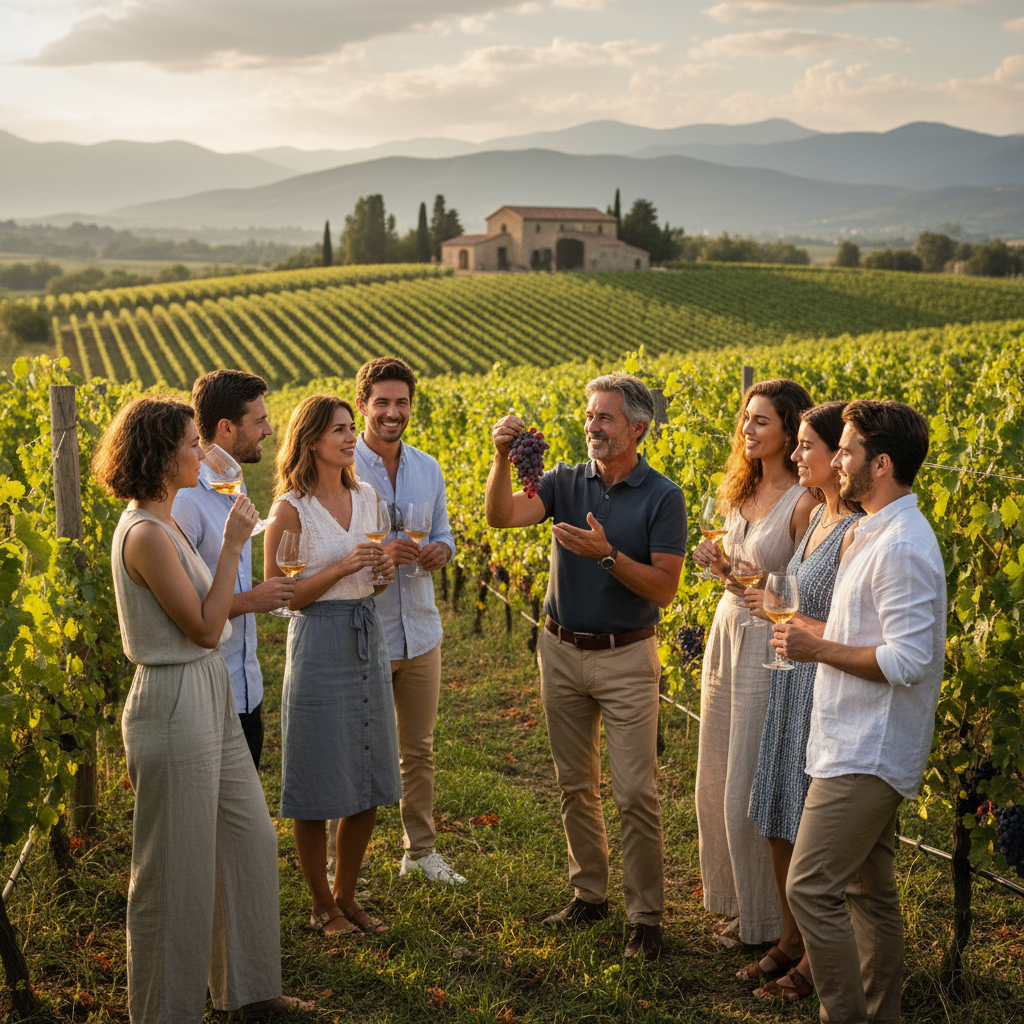
When you're planning a wine country getaway, the question often comes down to this: should you navigate Sonoma Valley on your own, or let an expert guide the way? While self-guided visits have their appeal, guided wine tours offer distinct advantages that can transform a pleasant afternoon into an unforgettable experience.
Insider Access and Local Knowledge
One of the biggest benefits of choosing a guided tour is the insider knowledge you gain. Local guides know which wineries are worth visiting, what wines to sample, and when to go for the best experience. They've built relationships with winemakers and tasting room staff, often securing access to areas and experiences that casual visitors simply can't reach on their own.
This local expertise means you're not just tasting wine—you're discovering the stories behind each bottle, learning about the terroir, and understanding what makes Sonoma Valley's wine culture so special. Guides can tailor recommendations based on your preferences, whether you're a Pinot Noir enthusiast or eager to explore lesser-known varietals.
Stress-Free Logistics and Safety
Let's be honest: wine tasting and driving don't mix. Guided tours eliminate this concern entirely, allowing you to fully enjoy each tasting without worrying about navigation, designated drivers, or finding your way back to your accommodation. Your guide handles all the logistics, from reservations to transportation, creating a seamless experience from start to finish.
This stress-free approach is especially valuable in Sonoma Valley, where wineries can be spread across winding country roads and advance reservations are often required. Instead of juggling maps and timetables, you can relax and focus on what matters: the wine, the scenery, and the company.
Discovering Hidden Gems
Sonoma Valley is home to hundreds of wineries, and the most memorable experiences often happen at smaller, family-run estates that don't show up on every tourist map. Guided tours excel at introducing visitors to these hidden gems—boutique wineries producing small-batch wines that showcase the region's diversity and craftsmanship.
These intimate settings offer a more personalized experience, where you might meet the winemaker directly or enjoy a private tasting in a barrel room. Without a guide's connections and local knowledge, these opportunities would be easy to miss.
Enhanced Educational Value
A guided wine tour is also an educational journey. Professional guides bring expertise in viticulture, winemaking techniques, and regional history that enriches every stop. You'll learn to identify flavor profiles, understand what makes certain vintages special, and develop a deeper appreciation for the craft behind each glass.
Smaller group sizes enhance this educational aspect by allowing for personalized attention and meaningful conversations. You're not just another face in a crowd—you're part of an intimate group where questions are encouraged and discussions flow naturally.
The Value of Curated Experiences
Perhaps the most compelling reason to choose a guided tour is the curation itself. Rather than spending hours researching wineries and building an itinerary, you benefit from someone else's expertise and planning. The result is a thoughtfully designed experience that balances variety, pacing, and discovery—all while maximizing your time in wine country.
Whether you're a first-time visitor or a seasoned wine enthusiast, guided wine tours offer a level of depth, convenience, and access that's hard to replicate on your own. They turn a day of wine tasting into a rich, memorable adventure that captures the true spirit of Sonoma Valley.
Sources
Types of Wine Tours Available: From Group to Private Experiences
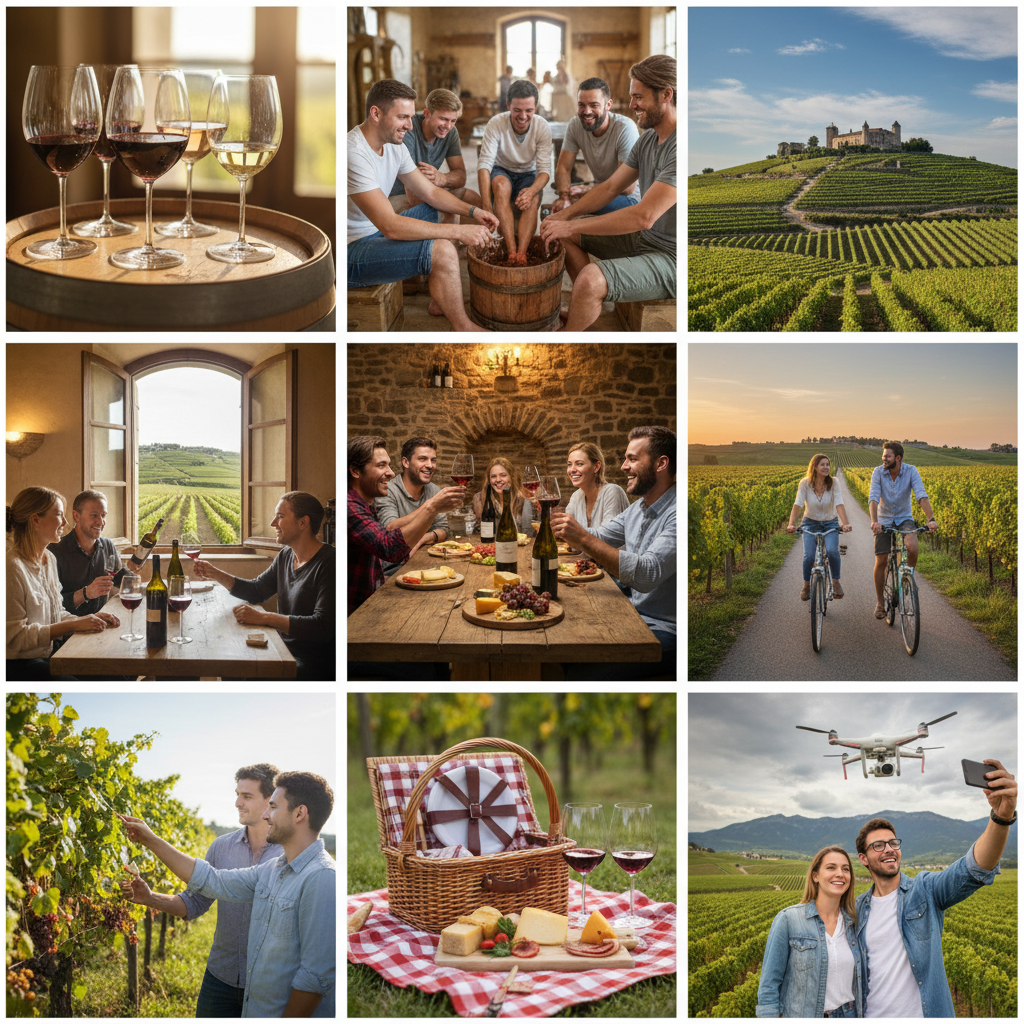
Choosing the right wine tour format can make all the difference in your Sonoma Valley experience. Whether you're traveling solo, with a partner, or in a group, understanding the various tour styles available helps you match your preferences and budget to the perfect adventure.
Group Guided Wine Tours
Group tours offer an excellent entry point for wine enthusiasts looking for a cost-effective way to explore multiple wineries. These tours typically accommodate several guests traveling together with a shared guide and transportation.
The main advantage is affordability—group experiences generally start at a lower price point per person while still including visits to multiple wineries. You'll also benefit from the social atmosphere, meeting fellow wine lovers and sharing the experience with others who appreciate the region's offerings.
However, group tours follow a fixed itinerary with predetermined stops and timing. You'll have less flexibility to linger at a favorite winery or skip a stop that doesn't interest you. The pace is set for the group as a whole, which may feel rushed or slow depending on your preferences.
Private Wine Tastings and Custom Tours
Private tours elevate the experience by offering complete customization and personalized attention. With a dedicated guide and vehicle, you control every aspect of your day.
Local guides can adjust the pace based on your interests, making impromptu stops at hidden gems or spending extra time at wineries that capture your attention. This flexibility allows for a truly curated experience tailored to your wine preferences, whether you're passionate about bold reds, crisp whites, or sparkling varieties.
Private tours also accommodate special requests like food pairings, behind-the-scenes access, or visits to appointment-only estates. The trade-off is cost—private experiences require a higher investment, though many find the personalized attention and flexibility well worth the premium.
Luxury Wine Tour Experiences
For those seeking the ultimate indulgence, luxury tours combine premium transportation, exclusive access, and elevated amenities. These experiences often include limousine or luxury van service, visits to prestigious estates, and gourmet food pairings.
Luxury tours may offer access to private cellars, winemaker meet-and-greets, and vertical tastings of rare vintages. Some packages include multi-course lunches at renowned restaurants or picnic experiences in scenic vineyard settings.
While these tours command the highest price points, they deliver unforgettable moments and VIP treatment throughout your journey.
Active Wine Adventures
Bike tours and walking experiences offer a unique way to explore wine country while staying active. These tours combine gentle exercise with wine tasting, allowing you to work up an appetite between stops.
Bike tours typically cover shorter distances between wineries, often in flatter terrain, making them accessible for most fitness levels. The slower pace lets you appreciate the landscape and vineyard views in an intimate way.
Walking tours focus on compact wine regions or urban tasting rooms, perfect for those who prefer to explore on foot. Both options provide a more immersive connection to the land and a refreshing alternative to traditional vehicle-based tours.
Choosing What Fits Your Style
Consider your priorities when selecting a tour format. Budget-conscious travelers often find group tours deliver excellent value, while couples celebrating special occasions may prefer the intimacy of a private experience. Active explorers enjoy the physical engagement of bike tours, and luxury seekers appreciate the exclusivity of premium packages.
Think about your group size, desired level of customization, physical activity preferences, and how much you want to spend. Each format offers distinct advantages, and the best choice depends on what matters most to you during your Sonoma Valley wine adventure.
Sources
What to Expect on a Guided Wine Tour
When you book a guided wine tour in Sonoma Valley, you're signing up for a carefully orchestrated day designed to maximize enjoyment while minimizing stress. Understanding the typical structure helps you prepare and fully embrace the experience.
A Typical Tour Day Structure
Most guided wine tours begin with a morning pickup at your hotel or a designated meeting point. Your guide will handle all the logistics, including transportation between wineries, which means you can relax and focus entirely on the tasting experience. Tours typically last between four to six hours, depending on the package you choose.
The day usually includes visits to three to four wineries, each offering a distinct perspective on winemaking. This pacing allows enough time to explore each location without feeling rushed, while ensuring you experience a variety of styles and settings throughout the day.
Transportation and Logistics Made Simple
One of the greatest advantages of guided tours is that they handle all transportation and reservations. This eliminates the need to navigate unfamiliar roads, coordinate timing between stops, or worry about driving after tastings. Your guide manages the schedule, ensuring you arrive at each winery on time and that your group has priority access.
Many tours use comfortable vans or buses equipped with climate control, making the journey between vineyards part of the enjoyment rather than a logistical challenge.
Tasting Formats and What You'll Sample
At each stop, you'll typically sample four to six wines, ranging from crisp whites to bold reds. Some tours include barrel tastings or tank samples, offering a behind-the-scenes look at wines still in production. Private experiences may feature exclusive small-batch wines not available to the general public.
Your guide plays a crucial role in enhancing these tastings by providing context about the region's terroir, grape varieties, and winemaking techniques. They'll help you identify flavor notes, understand pairing potential, and ask the right questions to deepen your appreciation.
Food Pairings and Dining Elements
Many guided wine tours incorporate food pairings to complement the tastings. This might include artisan cheese plates, charcuterie boards, or even a full lunch at a winery restaurant. These culinary elements elevate the experience by demonstrating how wine and food interact, while also providing necessary sustenance throughout the day.
Some tours are specifically designed around food pairing experiences, making the dining component as central as the wine itself.
The Guide's Role in Your Experience
Your tour guide serves as educator, coordinator, and insider all at once. They share stories about the region's history, introduce you to winemakers when possible, and tailor the experience to your group's interests and knowledge level. A skilled guide reads the room, adjusting the pace and depth of information to match what resonates most with participants.
Beyond wine knowledge, guides often provide recommendations for restaurants, attractions, and other activities in the area, helping you make the most of your entire Sonoma Valley visit.
Sources
Experiencing Different Winery Styles: Family-Run, Boutique, and Established Estates
One of the most enriching aspects of guided wine tours in Sonoma Valley is the opportunity to experience the remarkable diversity of winery styles. Each category offers its own character, atmosphere, and approach to winemaking, creating a tapestry of experiences that can transform a simple tasting day into an unforgettable journey through the region's wine culture.
Family-Run Vineyards: Heritage and Personal Connection
Family-run vineyards embody tradition and personal storytelling. These properties often span multiple generations, with winemaking techniques and vineyard knowledge passed down through family lines. When you visit these wineries, you're likely to meet the owners themselves or family members who are deeply connected to every aspect of production.
The atmosphere at family-run estates tends to be warm and intimate. Conversations flow naturally as hosts share the history of their land, the challenges they've overcome, and the passion that drives their craft. These visits often feel less like formal tastings and more like being welcomed into someone's home, where every bottle represents years of dedication and family legacy.
The wines themselves frequently reflect a commitment to preserving traditional methods while respecting the unique characteristics of their terroir. You'll often find small-batch productions with distinctive personality that larger operations simply cannot replicate.
Boutique Wineries: Innovation and Artisanal Craft
Boutique wineries represent the creative edge of Sonoma's wine scene. These smaller operations typically produce limited quantities, allowing winemakers to experiment with unconventional techniques, rare varietals, or unique blends that push boundaries.
What sets boutique experiences apart is the focus on artisanal quality over volume. Winemakers at these properties often take a hands-on approach to every stage of production, from vineyard management to bottling. This level of attention creates wines with nuanced flavor profiles that showcase the winemaker's vision and skill.
The tasting experience at boutique wineries tends to be highly curated and educational. You might explore reserve wines not available to the general public, learn about specific barrel-aging techniques, or discover how soil composition influences flavor development. These visits appeal to wine enthusiasts seeking depth and discovery beyond mainstream offerings.
Established Estates: Grandeur and Refined Excellence
Established estates bring a sense of history, scale, and polished sophistication to your wine tour. These properties often feature stunning architecture, meticulously landscaped grounds, and state-of-the-art production facilities that demonstrate decades of investment and refinement.
The tasting experience at larger estates is typically more structured and comprehensive. You'll encounter professional tasting rooms, knowledgeable staff trained in wine education, and often multiple tasting options ranging from standard flights to premium experiences. The wines themselves represent consistency and reliability, with established reputations built over many years.
Many established estates offer additional amenities such as art galleries, gardens, or historical tours that provide context beyond the wine itself. These properties excel at creating a complete sensory experience that appeals to both serious collectors and casual visitors.
Mixing Styles for a Well-Rounded Experience
The best guided wine tours strategically combine different winery styles throughout the day. Starting at a grand estate provides an impressive introduction and orientation to the region's winemaking heritage. Mid-day visits to boutique wineries offer intimate discovery and unique tastings. Concluding at a family-run vineyard creates a personal, memorable finale.
This variety ensures you experience the full spectrum of what Sonoma Valley offers. You'll taste different wine styles, encounter various hospitality approaches, and gain a comprehensive understanding of how scale, philosophy, and tradition shape the wine you're enjoying. A well-curated mix prevents palate fatigue and keeps the experience dynamic and engaging throughout the day.
The Magic of Private Wine Tastings: Personalized Experiences
Private wine tastings transform a standard tour into something truly memorable. Unlike group experiences where you follow a set itinerary, private tastings offer the flexibility to shape your visit around your interests and preferences. Whether you're a seasoned collector or just beginning your wine journey, this personalized approach creates moments that resonate long after the last sip.
Customization That Matches Your Interests
One of the greatest advantages of private tastings is the ability to tailor every aspect of your experience. Your guide can adjust the pace based on how much time you want to spend at each stop, allowing you to linger at wineries that capture your imagination. If you're particularly interested in learning about sustainable farming practices or the nuances of barrel aging, your guide can focus the conversation accordingly.
Private tours can also incorporate spontaneous discoveries. Spotted an intriguing vineyard on the drive? Your guide can make impromptu stops that aren't possible with larger group schedules. This flexibility extends to food pairings as well, with options to customize culinary elements that complement the wines you'll be tasting.
Access to Reserve Wines and Exclusive Offerings
Private tastings often unlock access to wines that aren't available during standard visits. Many wineries reserve their limited-production bottles and library vintages for intimate settings where they can be properly appreciated. These exclusive offerings represent the winemaker's finest work and provide insight into how wines evolve over time.
You'll frequently have the opportunity to taste small-batch wines that showcase experimental techniques or unique vineyard blocks. These rarities tell stories that go beyond what's available on regular tasting menus, offering a deeper connection to the winemaker's craft and vision.
One-on-One Time with Winemakers and Sommeliers
The personal interaction available during private tastings elevates the entire experience. Rather than competing for attention in a crowded tasting room, you'll have dedicated time with knowledgeable professionals who can answer your questions in depth. Winemakers often share the stories behind specific vintages, explaining how weather patterns, harvest decisions, and aging choices shaped the final product.
Sommeliers can provide expert guidance tailored to your palate, helping you understand what you're tasting and why certain wines appeal to you. This educational component transforms tasting from passive consumption into active learning, building your confidence and appreciation for future wine experiences.
Setting Your Own Pace and Focus Areas
Private tastings respect your rhythm. If you want to spend extra time discussing a particular varietal or exploring the vineyard itself, you're free to do so without feeling rushed. Conversely, if you prefer a brisker pace with more stops, your itinerary can accommodate that preference.
You also control the focus areas. Some visitors want to concentrate on specific grape varieties, while others prefer exploring different winemaking philosophies across multiple estates. Private experiences adapt to these interests, ensuring every moment aligns with what matters most to you.
The intimacy of private tastings creates space for genuine connection—with the wine, the place, and the people who bring it all to life. It's this combination of flexibility, exclusivity, and personal attention that makes private wine tastings an investment worth making.
Sources
Elevating Your Tour with Food Pairing and Dining Experiences
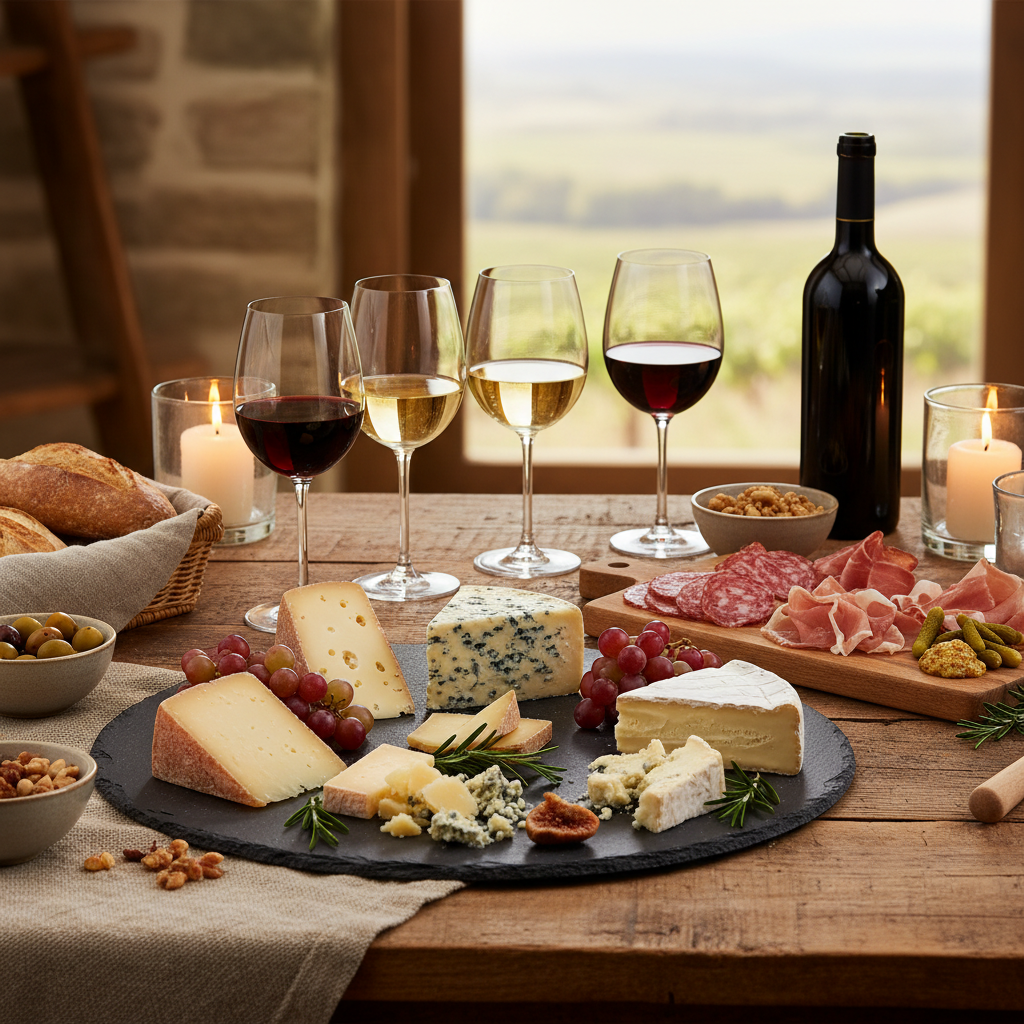
One of the most transformative elements of a wine tour is experiencing how the right food pairing can completely shift your perception of a wine. The interplay between flavors, textures, and aromas creates moments of discovery that deepen your appreciation for both the wine and the culinary craft behind each pairing.
Food pairings do more than complement wine—they unlock hidden characteristics. A wine that tastes sharp on its own might reveal soft fruit notes when paired with aged cheese. Conversely, a subtle wine can gain complexity alongside cured meats or fresh bread with olive oil.
Common Pairing Formats on Guided Wine Tours
Most tours offer a range of pairing experiences to suit different preferences and schedules. Understanding these options helps you choose the experience that aligns with your interests.
Cheese and charcuterie plates are the most common format. These curated selections typically feature local artisan cheeses, cured meats, nuts, dried fruits, and crackers. The variety allows you to experiment with different combinations and discover which pairings enhance specific wines.
Small bite experiences might include seasonal appetizers, bruschetta, or locally sourced olives and spreads. These lighter options work well when visiting multiple wineries in a day, providing just enough to cleanse your palate between tastings without overwhelming your appetite.
Full meal pairings represent the pinnacle of food and wine experiences. Some tours incorporate multi-course lunches or dinners where each dish is specifically designed to showcase a particular wine. These extended experiences allow you to see how wines evolve throughout a meal.
Maximizing the Food-Wine Connection
The key to getting the most from pairing experiences is approaching them with curiosity and intention. Start by tasting the wine alone, noting its characteristics. Then try it with the suggested pairing and observe what changes—does the wine taste sweeter, more acidic, fruitier, or more balanced?
Pay attention to contrasts and complements. Rich, fatty foods often balance high-acid wines, while salty foods can soften tannins in red wines. Sweet pairings work best with wines that have equal or greater sweetness to avoid making the wine taste flat.
Don't hesitate to experiment beyond the suggested pairings. If you're presented with multiple cheeses and wines, try different combinations. Some of the most memorable discoveries happen when you find an unexpected pairing that works beautifully.
Timing matters more than many realize. Allow each pairing to linger on your palate before moving to the next wine. This patience reveals how flavors develop and interact over time, giving you a fuller understanding of both the food and wine.
Ask your guide or host about the reasoning behind specific pairings. Understanding why a particular cheese was chosen for a specific wine—whether it's regional tradition, flavor chemistry, or texture contrast—adds depth to your appreciation and helps you apply these principles at home.
Consider how the setting enhances the experience. A simple cheese plate enjoyed on a vineyard terrace with valley views becomes more than just a pairing—it's a complete sensory experience that connects you to the place and the people who create these wines.
Planning Your Perfect Wine Tour: Practical Tips and Considerations
A successful wine tour begins long before you step into your first tasting room. Thoughtful planning ensures you'll experience Sonoma Valley at its best, from selecting the right season to choosing wineries that match your interests. Whether you're a first-time visitor or a returning enthusiast, these practical considerations will help you craft an unforgettable day among the vines.
Timing and Seasonal Considerations
Sonoma Valley offers distinct experiences throughout the year, each with its own charm. Spring brings vibrant mustard blooms between the vines, while fall harvest season delivers the excitement of crush and cooler temperatures. Summer weekends tend to be the busiest, so weekday visits often provide a more relaxed atmosphere. If you're planning to visit during popular months, booking in advance becomes essential as winery reservations fill up quickly.
Consider shoulder seasons for a balance of pleasant weather and fewer crowds. Early fall offers the added benefit of witnessing the winemaking process in action, while late spring provides comfortable temperatures perfect for outdoor tastings.
Booking Strategy and Flexibility
When reserving your tour, look for options with free cancellation policies. This flexibility proves invaluable if weather delays or unexpected circumstances arise, allowing you to reschedule without financial penalty. Many tour operators offer this benefit, giving you peace of mind as your travel dates approach.
Book your preferred dates as early as possible, particularly if you're visiting during peak times. Popular wineries and specialized private tastings often require reservations weeks or even months in advance.
How Many Wineries to Visit
Quality trumps quantity when it comes to wine touring. Most guided experiences visit three to four wineries in a day, allowing ample time to savor each tasting, ask questions, and absorb the atmosphere. Rushing through five or six stops leaves little room for meaningful connections with the wine or the people behind it.
Plan for approximately 45 minutes to an hour at each location, with additional time for lunch or special experiences. This pacing lets you engage fully without feeling hurried.
What to Wear and Bring
Comfort is key for a day of wine touring. Opt for casual, layered clothing that adapts to changing temperatures—mornings can be cool even when afternoons warm up. Closed-toe shoes work best, especially if you'll be walking through vineyards or barrel rooms. Leave the heels at home in favor of comfortable flats or low wedges.
Bring a small bag with essentials: sunscreen, a hat, sunglasses, and a reusable water bottle. Staying hydrated between tastings helps you appreciate the wines more fully. A small notebook for jotting down favorites proves helpful when you're deciding which bottles to purchase.
Budget Planning
Wine tour costs vary widely based on the type of experience you choose. Group tours typically range from more accessible price points, while private experiences command premium rates. Factor in tasting fees (often waived with bottle purchases), lunch, gratuities for your guide and drivers, and wine purchases you'll want to make along the way.
Set a realistic budget that includes a cushion for those unexpected bottles you'll fall in love with. Many wineries offer wine club memberships with benefits that can offset initial costs if you plan to return or order regularly.
Transportation Considerations
Never underestimate the importance of reliable, safe transportation. Guided wine tours include transportation as a core benefit, eliminating the stress of navigating unfamiliar roads and allowing everyone to fully enjoy the tastings. Options range from shared shuttle-style tours to private vehicles with dedicated drivers.
If you're booking independently, confirm pickup and drop-off locations, vehicle type, and whether the service includes stops at specific wineries or offers flexibility to adjust the itinerary.
Questions to Ask When Booking
Before finalizing your reservation, clarify key details with your tour operator. Ask about the specific wineries included, whether reservations are pre-arranged, and if the itinerary can accommodate special requests. Inquire about group size—smaller groups often provide more intimate experiences and better access to winemakers.
Find out what's included in the price: Are tasting fees covered? Is lunch provided or will there be a stop where you can purchase food? Does the tour include educational components or special access experiences? Understanding these details upfront prevents surprises and ensures the tour matches your expectations.
Ask about the guide's expertise level and whether they have established relationships with the wineries. Experienced guides often provide insider access and deeper insights that transform a standard tour into something truly memorable.
Sources
Making the Most of Your Guided Wine Tour Experience
A guided wine tour is more than just a tasting—it's an opportunity to connect with the heritage, craft, and passion behind every bottle. To truly deepen your appreciation, approach each visit with curiosity and openness. Engage with your guide and the winemakers by asking thoughtful questions about vineyard practices, harvest techniques, or the stories behind specific vintages. These conversations often reveal the nuances that make each winery unique.
Tasting Techniques That Enhance Your Experience
Proper tasting technique can transform your understanding of wine. Start by observing the color and clarity, then swirl gently to release the aromas. Take a moment to inhale deeply before tasting—much of what we perceive as flavor comes from scent. When you sip, let the wine coat your palate and notice the layers: fruit notes, acidity, tannins, and finish. Don't rush; savoring each element helps you identify what you enjoy and why.
Pace yourself throughout the day. Small-group guided wine tours allow for more attentive tastings and better conversations with winery staff, so take advantage of the intimate setting. Spit rather than swallow when tasting multiple wines—it keeps your palate fresh and ensures you can fully appreciate each pour.
Taking Notes and Building Your Wine Knowledge
Bringing a small notebook or using your phone to jot down impressions can be invaluable. Record the winery name, vintage, and your thoughts on aroma, taste, and finish. Note which wines you loved and why—this becomes a personal reference guide for future purchases and helps you articulate your preferences.
Many wineries also provide tasting sheets or cards. Use these to mark favorites and ask your guide for recommendations based on your notes. Over time, you'll start to recognize patterns in what you enjoy, whether it's a particular varietal, region, or winemaking style.
Etiquette and Engagement
Respect the space and the people who create these experiences. Arrive on time, silence your phone, and be present. A successful guided wine tour should include a combination of vineyard exploration, production insights, and personalized tastings to engage guests fully—so participate actively.
Don't be afraid to share your honest impressions with your guide. They're there to help you discover wines you'll love, and your feedback helps them tailor the experience. If you're unsure about a wine, ask questions rather than simply moving on. The best tours are collaborative conversations, not lectures.
Deepening Your Appreciation Beyond the Glass
Consider the broader context: the soil, climate, and history that shape each wine. Ask about sustainable practices, family traditions, or how the winemaker's philosophy influences their craft. These details add layers of meaning to every sip and help you connect emotionally with what's in your glass.
Take time to walk the vineyards if offered. Seeing the vines, feeling the soil, and understanding the landscape gives you a visceral connection to the wine. It's in these moments—standing among the rows, listening to the winemaker's story—that wine transforms from a beverage into an experience.
Sources
Conclusion
Guided wine tours in Sonoma Valley offer more than just exceptional tastings—they provide a genuine connection to the region's rich wine heritage and the passionate people who bring it to life. Throughout this guide, we've explored the diverse experiences available, from intimate private tastings at boutique wineries to comprehensive group tours that showcase the valley's renowned estates.
The key to an unforgettable wine tour experience lies in choosing the right format for your interests, whether that's a personalized private journey, a small-group adventure, or a specialized tour focused on organic wines or food pairings. Remember to engage authentically with your guides and winemakers, take thoughtful notes, and pace yourself to fully appreciate each tasting.
Reflecting on my own experiences leading tours through these vineyards, I'm reminded that the true magic happens when wine, place, and people come together. Each bottle tells a story, and guided tours unlock those narratives in ways that solo visits simply cannot match. The personal connections and stories behind every vineyard transform a simple tasting into a memorable journey.
Whether you're a seasoned wine enthusiast or just beginning your wine education, Sonoma Valley's guided tours offer something transformative for everyone. Book your experience, arrive with curiosity and an open palate, and prepare to discover why this region has captured the hearts of wine lovers for generations. Your perfect Sonoma wine tour awaits.
Related reading

Written by
Sophia Bennett
Published March 2, 2026 · 26 min read
Sophia Bennett is a celebrated writer and Sonoma Valley native, recognized for her extensive knowledge in wine, food pairing, and dining experiences. With over two decades of immersion in the region's wine culture, she has cultivated a deep passion for gastronomy and shares her insights through engaging articles that inspire readers to explore the world of wine and culinary delights.

Plan Your Wine Country Visit
Experience everything Sonoma Valley has to offer from our centrally-located suites.