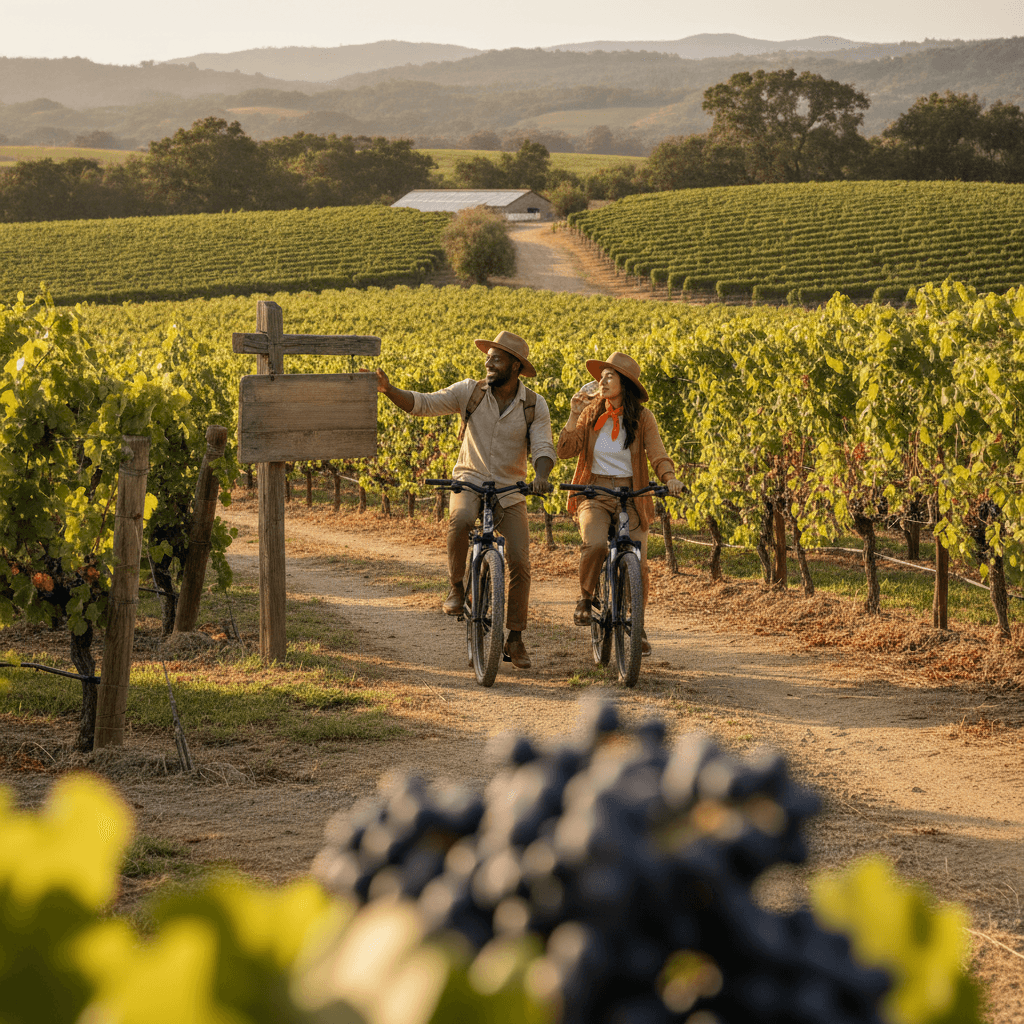
Sustainable Wine Tours: Eco-Friendly Tasting in Sonoma
Introduction Sonoma Valley has emerged as a leader in sustainable wine tourism, where visitors can savor exceptional wines while supporting environmentally responsible practices. Sustainable Wine Tours represent a growin
Introduction
Sonoma Valley has emerged as a leader in sustainable wine tourism, where visitors can savor exceptional wines while supporting environmentally responsible practices. Sustainable Wine Tours represent a growing movement that honors both the craft of winemaking and the health of the land that makes it possible. These experiences invite wine enthusiasts to explore vineyards that prioritize organic farming, water conservation, and biodiversity alongside producing award-winning vintages.
As a team deeply rooted in the heart of Sonoma Valley, we at Sonoma Grove Suites are passionate about guiding visitors to wineries that prioritize sustainability, supporting eco-conscious practices that benefit both the environment and the community. The wine country experience has evolved beyond simple tastings to encompass a deeper appreciation for how wine is grown, produced, and shared. Visitors now seek connections with wineries that demonstrate genuine commitment to environmental stewardship, from vineyard management to tasting room operations.
The concept extends beyond organic certification or biodynamic farming methods. Sustainable wine tourism considers the entire visitor experience—transportation choices, facility design, waste reduction, and community impact. When you choose guided wine tours focused on sustainability, you participate in a model of tourism that preserves the very landscapes and ecosystems that make Sonoma Valley extraordinary. These tours offer floor-to-ceiling vineyard views as backdrops for meaningful experiences that educate while they delight.
Sonoma's commitment to sustainable practices reflects a broader understanding that wine quality and environmental health are inseparable. The region's microclimates, diverse soils, and natural beauty depend on careful stewardship. By choosing sustainable wine experiences, visitors contribute to preserving these resources for future generations while enjoying some of the finest wines California has to offer. The journey toward more responsible wine tourism begins with understanding why these practices matter and how they enhance rather than diminish the pleasure of wine discovery.
The Environmental Impact of Traditional Wine Tourism
Traditional wine tourism, while economically valuable, often carries hidden environmental costs that many visitors never see. Large-scale vineyard operations can strain local water resources, contribute to soil degradation, and generate significant waste through packaging, transportation, and energy-intensive production methods. The cumulative effect of thousands of visitors arriving by car, the energy demands of climate-controlled tasting rooms, and the disposal of bottles and packaging materials all add up to a substantial carbon footprint.
The Hidden Costs of Conventional Viticulture
Conventional vineyard management practices frequently rely on synthetic fertilizers and pesticides that can leach into watersheds and disrupt local ecosystems. Without thoughtful soil management, vineyards may experience erosion that threatens water quality and long-term land productivity. Energy consumption in traditional wineries—from refrigeration systems running continuously to lighting and processing equipment—often depends heavily on non-renewable sources, compounding the industry's environmental impact.
The waste stream from wine production extends beyond the cellar. Glass bottles, cardboard packaging, and organic byproducts from crushing and fermentation all require responsible management. When these materials end up in landfills rather than being recycled or composted, they represent both a lost resource and an ongoing environmental burden.
Why Sustainable Wine Tours Matter
The shift toward sustainable wine tourism addresses these challenges head-on by supporting wineries that prioritize ecological health alongside quality production. Sustainable practices begin in the vineyard, where understanding soil composition and growing conditions for each vine guides holistic management decisions. This approach recognizes that winemaking truly starts with the land, not in the cellar.
Wineries committed to sustainability implement practices that reduce their environmental footprint while often improving wine quality. These include composting grape byproducts and returning them to vineyards as natural fertilizer, using recycled materials in bottles and packaging, and generating power through solar installations. Some operations report providing over 40% of their electrical needs through on-site solar systems, while others use motion-sensor lighting that reduces energy consumption by more than half.
Winemaking begins in the vineyard, not the cellar—understanding each site's soil and growing conditions guides every sustainable decision that follows.
Beyond reducing harm, sustainable viticulture actively enhances the environment. Cover crops control erosion and improve water retention, while nesting boxes for raptors provide natural pest control. Visitors to these properties often encounter local wildlife—hawks, owls, quail, and deer—thriving in and around the vineyards, a visible testament to the ecological health these practices foster.
Choosing guided wine tours that prioritize sustainability supports wineries making these investments and sends a market signal that eco-conscious practices matter to consumers. It transforms wine tasting from a purely indulgent experience into one that contributes to the long-term health of Sonoma's landscapes and communities.
Steps to Enjoy Sustainable Wine Tours
Embarking on sustainable wine tours in Sonoma requires thoughtful planning and intentional choices. By following these practical steps, you can enjoy an exceptional tasting experience while supporting wineries committed to environmental stewardship and regenerative practices.
Step 1
Research and book certified sustainable wineries
Begin by identifying wineries that practice organic farming, regenerative agriculture, or hold recognized sustainability certifications. Many Sonoma estates plant cover crops like Crimson Clover and Daikon Radish to improve soil quality and water retention, demonstrating a commitment to land health. Book appointments in advance, as many eco-conscious wineries offer visits by appointment only to manage their environmental impact and provide personalized experiences.
Step 2
Choose low-impact transportation
Select transportation methods that minimize your carbon footprint. Consider carpooling with your group, using electric or hybrid vehicles, or joining organized tours that consolidate multiple visitors into a single vehicle. For a truly immersive experience, explore guided wine tours that prioritize sustainability in their operations and route planning.
Step 3
Opt for cave tours and educational experiences
Seek out wineries offering cave tours and educational programs that showcase their sustainable practices firsthand. Walking through wine caves carved into hillsides provides natural temperature control while your guide shares stories of regenerative organic vineyard management and resident wildlife conservation. These immersive experiences deepen your understanding of how sustainable viticulture protects the land for future generations.
Step 4
Support local and organic food pairings
When available, enhance your tasting with food pairings that feature organic and locally sourced ingredients. Wineries that source ingredients from nearby farms reduce the carbon footprint associated with food transportation while supporting the regional agricultural community. This approach creates a complete farm-to-table experience that aligns with sustainable tourism values.
Step 5
Look for sustainable packaging practices
Pay attention to wineries that use lighter-weight bottles, natural compostable corks, and minimal foil capsules. These packaging choices significantly reduce environmental impact without compromising wine quality. When purchasing bottles to take home, ask about these practices and support producers who prioritize sustainability throughout their entire production process.
Selecting the Right Tour Experience
Different tour formats offer varying levels of sustainability and engagement. Private tastings for groups of nine or larger can be organized to celebrate special occasions while still maintaining eco-friendly practices. These experiences typically include flights of organically-farmed wines paired with educational content about the winery's environmental initiatives.
For the most sustainable option, choose tours that emphasize outdoor vineyard exploration, allowing you to witness cover crops, historic vines, and wildlife habitats firsthand. Weather-permitting detours into regenerative organic vineyards provide tangible evidence of how sustainable farming practices create thriving ecosystems beyond just grape production.
Planning Your Visit
Successful sustainable wine tours require advance planning. Most eco-conscious wineries operate by appointment only, ensuring they can provide quality experiences without overtaxing resources or the land. When booking, inquire about the winery's specific sustainability practices, from vineyard management to water conservation to energy use in their cellars.
Dress in layers and wear practical footwear suitable for vineyard walking and cave exploration. Many sustainable tours include outdoor components where you'll traverse vineyard rows and natural landscapes, so comfortable shoes are essential for fully experiencing the connection between wine and land.
Tips and Tricks for Eco-Friendly Wine Tasting
Once you've selected your sustainable wineries and planned your route, a few thoughtful practices can deepen your eco-friendly wine tasting experience. Small adjustments in how you approach each visit amplify your positive impact while enhancing your enjoyment of Sonoma's organic and regenerative vineyards.
Enhance Your Tasting with Thoughtful Pairings
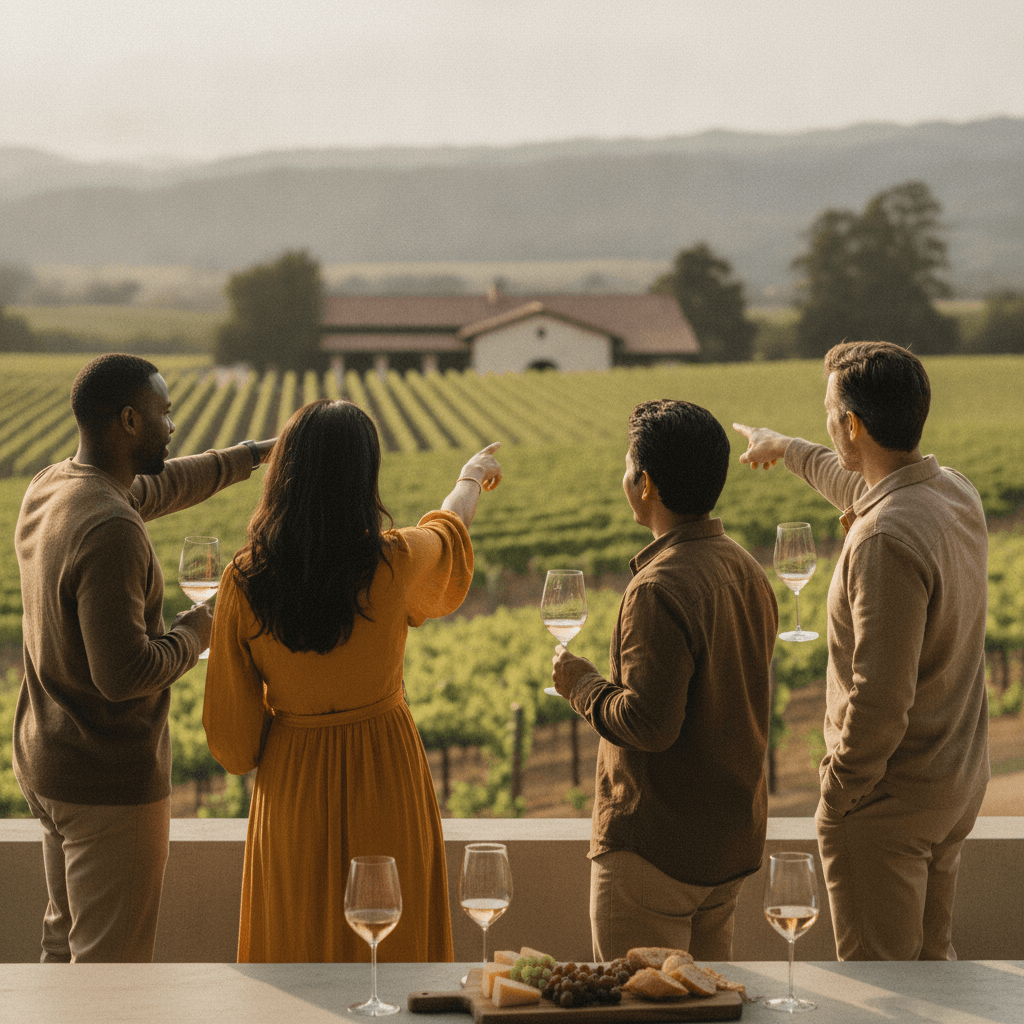
Adding locally sourced cheese and charcuterie to your tasting elevates the experience in more ways than one. Many wineries offer food pairings that showcase regional artisans, reducing transportation emissions while supporting the local food economy. These pairings also help you appreciate the nuances of organically-farmed wines, as the interplay between food and wine becomes more pronounced when both are grown with minimal intervention.
Bring reusable water bottles and avoid single-use plastics throughout your tour. Many wineries provide filtered water stations, and staying hydrated between tastings is essential for a comfortable day. If you plan to purchase bottles, consider bringing your own insulated bag to protect your wines during transport rather than accepting disposable packaging.
Make Your Visit Educational and Memorable
Private tastings for groups of nine or larger offer an educational and entertaining format that makes special occasions more meaningful. A knowledgeable host can guide your group through a curated flight of organically-farmed wines while explaining the sustainable practices behind each bottle. This personalized attention transforms a casual outing into a deeper exploration of regenerative agriculture and responsible winemaking.
For a truly immersive experience, request tours that include vineyard walks or cave visits. Seeing the vines, resident wildlife, and soil management practices firsthand reinforces the connection between sustainable farming and the quality in your glass. Weather permitting, these outdoor components add a layer of appreciation that indoor tastings alone cannot provide.
The most memorable wine experiences happen when you understand the land, the practices, and the people behind each bottle.
Plan your visits during off-peak hours or weekdays when possible. Lighter crowds allow for more meaningful conversations with staff, reduce the strain on winery resources, and create a more relaxed atmosphere. Many sustainable wineries operate with smaller teams, so spreading visitor traffic throughout the week supports their operational sustainability.
For those interested in exploring more activities that align with eco-conscious values, Things to Do in Sonoma County: 12 Best Ultimate Experiences offers additional ideas for responsible tourism throughout the region.
Respect the Environment During Your Visit
Dress in layers and wear practical footwear suitable for vineyard terrain. Sustainable tours often include outdoor components—hillside walks, cave explorations, or vineyard paths—that require comfortable, weather-appropriate clothing. Proper preparation ensures you can fully participate without discomfort or distraction.
Respect wildlife and natural habitats by staying on designated paths and keeping noise levels moderate. Regenerative vineyards intentionally foster biodiversity, and the presence of birds, beneficial insects, and native plants is a sign of healthy ecosystem management. Your quiet observation supports the delicate balance these wineries work to maintain.
Leave no trace. Dispose of any waste in designated receptacles, and if you bring a picnic, pack out everything you pack in. Many sustainable wineries compost organic waste and recycle diligently—follow their lead and ask staff where to place different materials if signage is unclear.
Conclusion
Sustainable wine tours offer a meaningful way to experience Sonoma Valley's renowned wine culture while honoring the land that makes it all possible. By choosing wineries committed to certified sustainable and organic farming practices, visitors support a model of wine production that protects natural resources, nurtures biodiversity, and sustains the community for generations to come. The benefits extend beyond environmental stewardship—these experiences connect guests more deeply to the vineyard landscape, the winemaking process, and the people who dedicate themselves to responsible viticulture.
As a team deeply rooted in the heart of Sonoma Valley, we at Sonoma Grove Suites believe that enjoying a glass of wine should be both a delightful experience and a responsible one. Our commitment to promoting sustainable wine tours reflects our dedication to the environment and the community we call home. When you choose eco-friendly wine tasting, you're not just savoring exceptional wines—you're participating in a movement that values quality, integrity, and the long-term health of this beautiful region.
Sustainability isn't a trend, it's our way of life.
Whether you're exploring regenerative organic vineyards, touring wine caves carved into hillsides, or enjoying culinary pairings that showcase seasonal ingredients, every sustainable choice you make contributes to preserving Sonoma's natural beauty. We invite you to discover the things to do in Sonoma County that align with your values, and to experience firsthand how responsible tourism enhances both your visit and the valley's future. Together, we can ensure that Sonoma Valley remains a vibrant, thriving destination where exceptional wine and environmental care go hand in hand.
Discover Sustainable Wine Tours in Sonoma for an eco-friendly tasting experience. Enjoy nature while savoring delicious wines.
Table of Contents
- Introduction — Introduce the concept of sustainable wine tours and their importance in Sonoma.
- The Environmental Impact of Traditional Wine Tourism — Discuss the environmental issues related to traditional wine tourism and the need for sustainable practices.
- Steps to Enjoy Sustainable Wine Tours — Provide a step-by-step guide on how to engage in sustainable wine tours in Sonoma.
- Tips and Tricks for Eco-Friendly Wine Tasting — Offer practical advice for visitors to enhance their sustainable wine tasting experience.
- Conclusion — Summarize the benefits of sustainable wine tours and encourage readers to partake in eco-friendly practices.
- Table of Contents
Written by
Sonoma Grove Suites
Published November 11, 2026 · 8 min read
Sonoma Grove Suites is a dedicated team of local hosts passionate about showcasing the hidden gems of Sonoma Valley. With a wealth of knowledge about the area, they share their favorite spots, ensuring visitors experience the best of what this beautiful region has to offer.
You Might Also Like
More wine country insights and guides
Wine Country Experiences Beyond the Tasting Room
Introduction Wine Country has long been synonymous with elegant tasting rooms and vineyard views, but the region's true character emerges when you venture beyond the cellar door. From culinary wine pairings on sun-drench
Sonoma County Wine Tours: What to Know Before You Book
Introduction to Sonoma County Wine Tours Sonoma County wine tours represent one of California's most rewarding wine country experiences. The region's diverse appellations produce world-class wines in settings that range
Planning Your Sonoma Valley Wine Tour Experience
Introduction Sonoma Valley beckons wine enthusiasts with rolling vineyards, world-class wineries, and an atmosphere that balances refined elegance with approachable hospitality. As a cornerstone of California's wine coun
Your Complete Guide to Sonoma Valley Wine Tours and Winery Visits
Introduction has earned its reputation as one of California's premier wine destinations, but not for the reasons you might expect. While neighboring regions draw crowds with flash and spectacle, Sonoma offers something i
Plan Your Wine Country Visit
Experience everything Sonoma Valley has to offer from our centrally-located suites.