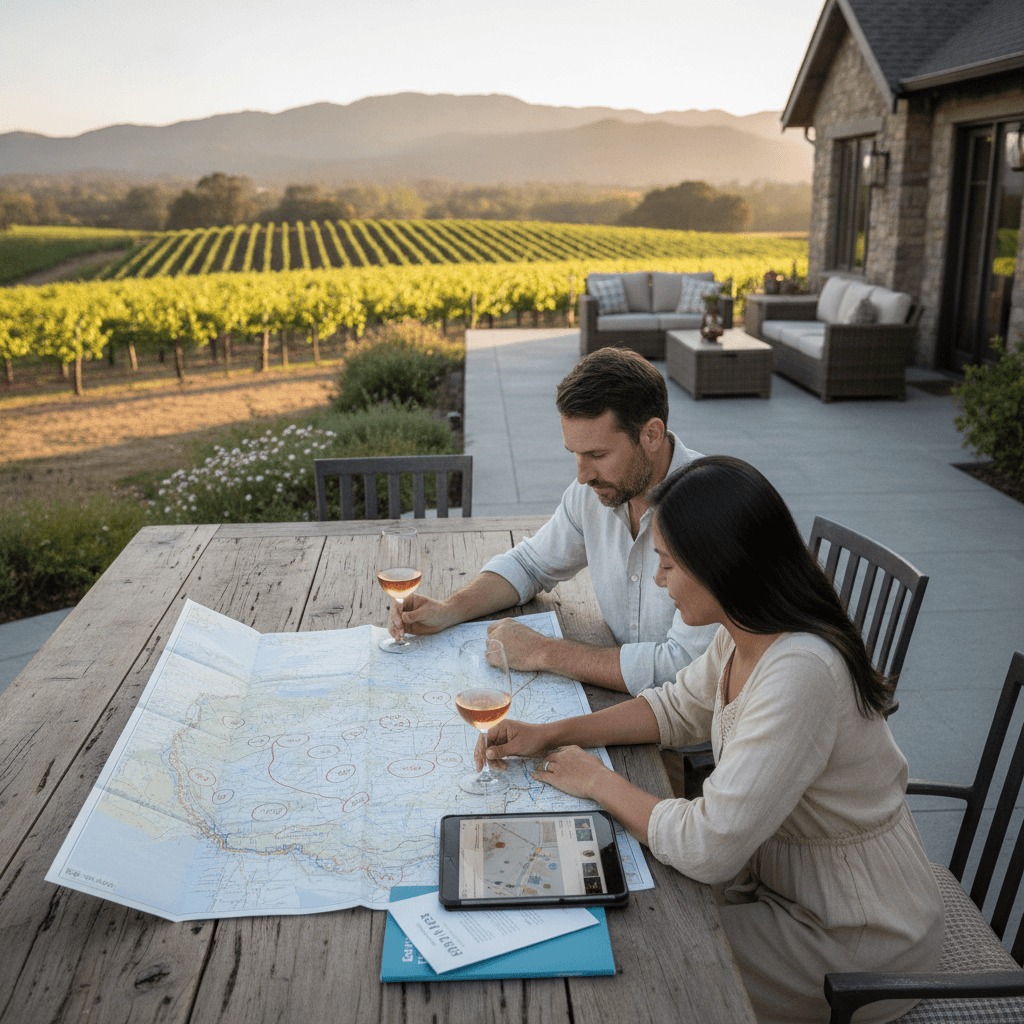
Planning Your Sonoma Valley Wine Tour Experience
Introduction Sonoma Valley beckons wine enthusiasts with rolling vineyards, world-class wineries, and an atmosphere that balances refined elegance with approachable hospitality. As a cornerstone of California's wine coun
Introduction
Sonoma Valley beckons wine enthusiasts with rolling vineyards, world-class wineries, and an atmosphere that balances refined elegance with approachable hospitality. As a cornerstone of California's wine country, this region has cultivated a reputation for producing exceptional wines—particularly its celebrated Pinot Noir, which showcases a delicate balance of red fruit nuances and refined complexity. Whether you're a seasoned connoisseur or exploring wine country for the first time, planning your Sonoma Valley wine tours experience sets the foundation for an unforgettable journey.
The allure of Sonoma extends beyond the wine itself. Wineries throughout the valley offer thoughtfully curated experiences that transform a simple tasting into a complete sensory adventure. From western-inspired harvest dinners featuring seasonal fare and live music to intimate estate tours through sustainably sourced vineyards, each venue brings its own character to your visit. The region's commitment to artisanal craftsmanship and attention to detail creates moments that linger long after the last pour.
Yet the abundance of choices—hundreds of wineries, countless tasting rooms, and a calendar filled with special events—can feel overwhelming without a clear plan. Understanding how to navigate Sonoma Valley's offerings, coordinate logistics, and time your visit transforms potential confusion into confident exploration. For those seeking a comprehensive approach to wine country experiences, guided wine tours offer structured itineraries that remove the guesswork while preserving the magic.
The best wine tours balance careful planning with the flexibility to discover unexpected moments of delight among the vines.
This guide walks you through the essential elements of planning your Sonoma Valley wine tours experience—from identifying common challenges to implementing practical strategies that ensure your time in wine country exceeds expectations. With the right preparation, your visit becomes more than a series of tastings; it becomes a journey through one of the world's most celebrated wine regions, where every glass tells a story and every vineyard offers a new perspective on the art of winemaking.
Identifying the Challenges of Planning a Wine Tour
Planning a wine tour in Sonoma Valley can feel overwhelming, even for seasoned travelers. The region's abundance of wineries—each with unique tasting experiences, reservation requirements, and schedules—creates a paradox of choice that often leaves visitors uncertain about where to begin.
Navigating Reservation Requirements and Cancellation Policies
Many Sonoma Valley wineries now require advance reservations, and understanding their policies is essential to avoid unexpected fees. Reservations typically must be canceled up to 48 hours before the scheduled time to avoid penalties. A no-show or late cancellation can incur a fee of $45 per person, making careful planning and calendar management critical to your wine tour budget.
The shift to appointment-only visits means spontaneous drop-ins are rarely an option. This requires visitors to commit to a specific itinerary days or weeks in advance, reducing flexibility and increasing the stakes of each booking decision.
Selecting the Right Wineries for Your Experience
With hundreds of tasting rooms across the valley, choosing which wineries to visit presents a significant challenge. Smaller tasting rooms operated by the owners provide a more personal experience, allowing visitors to ask questions and feel at home. These intimate venues offer direct access to winemakers and proprietors, creating opportunities for deeper conversations about viticulture and winemaking philosophy.
Larger venues may offer impressive facilities and sweeping views but can make it harder to receive personalized attention. The trade-off between scale and intimacy requires visitors to clarify their priorities: Are you seeking education, relaxation, exclusive wines, or simply beautiful scenery?
The curious person gets more time with the hosts—especially at smaller, owner-operated tasting rooms where every question deepens the experience.
Coordinating Transportation and Timing
Transportation logistics add another layer of complexity. Sonoma Valley's wineries are spread across multiple appellations, and travel time between properties can be substantial. Coordinating a safe, enjoyable day requires balancing tasting appointments with drive times, meal breaks, and responsible alcohol consumption.
Proactive planning across wine, gifting, events, and experiences is essential for a successful wine tour. Without a clear timeline, visitors risk rushing through tastings, missing reservations, or spending more time in the car than at the wineries themselves.
For those planning group wine trips, these challenges multiply. Coordinating schedules, preferences, and transportation for multiple people demands even more advance preparation and clear communication.
Managing Expectations and Hidden Costs
Beyond tasting fees and reservation deposits, wine tours can accumulate unexpected expenses. Some experiences include vineyard tours, cave visits, or food pairings that significantly increase per-person costs. Understanding what's included in each tasting fee—and what requires additional payment—helps visitors budget accurately and avoid surprises.
The variety of experience formats also complicates planning. Some wineries offer quick 30-minute tastings, while others provide two-hour immersive experiences with vineyard walks and elevated food pairings. Mixing these different formats in a single day requires careful scheduling to avoid fatigue or disappointment.
Steps to Plan Your Sonoma Valley Wine Tour Experience
Planning a successful wine tour requires a methodical approach that balances spontaneity with structure. By following these steps, you'll create an itinerary that maximizes your time while leaving room for discovery.
Step 1: Research and Select Your Wineries
Begin by identifying wineries that align with your preferences and interests. Sonoma Valley offers diverse experiences, from intimate, owner-operated tasting rooms to larger estates with comprehensive tour programs.
Step 1
Prioritize smaller, owner-operated venues
Consider visiting tasting rooms operated by the owners and winemakers themselves. These smaller venues provide a more personal experience where you can ask detailed questions and receive individual attention. The curious visitor often receives extended time with hosts who are passionate about sharing their craft and stories.
When researching options, look for wineries that offer experiences matching your interests—whether that's cave tours, elevated vineyard views, or specific varietals like Pinot Noir. Some estates provide unique two-hour experiences that combine cave and vineyard tours with tastings at scenic overlooks.
Step 2: Make Reservations in Advance
Once you've selected your target wineries, book appointments well ahead of your visit. Many Sonoma Valley wineries now operate by appointment only, particularly for specialty experiences.
Step 2
Book your appointments strategically
Schedule no more than three to four wineries per day, allowing 60 to 90 minutes per stop. This pacing prevents palate fatigue and gives you time to enjoy each experience fully. When booking, confirm the cancellation policy and any special requirements for your chosen experiences.
For multi-course food and wine pairings or exclusive vineyard tours, reserve several weeks in advance, as these limited-capacity experiences fill quickly during peak season.
Step 3: Arrange Safe Transportation
Transportation is a critical planning element that should never be an afterthought. Determine your transportation method before finalizing your winery schedule.
Options include:
- Designated driver: Rotate responsibilities within your group
- Professional driver or tour service: Allows everyone to participate in tastings
- Ride-sharing services: Flexible but may have limited availability in rural areas
- Bicycle tours: Suitable for concentrated winery clusters on flat terrain
When mapping your route, cluster wineries geographically to minimize driving time between stops. The Carneros region, for example, hosts several estates within a compact area, while wineries along Highway 12 form another natural grouping.
Step 4: Plan Your Timing and Sequence
The order and timing of your visits can significantly impact your experience. Start with lighter wines earlier in the day and progress to bolder, more complex offerings.
Step 3
Structure your day for optimal enjoyment
Begin with sparkling wines or lighter whites in late morning, move to rosés and lighter reds at midday, and reserve full-bodied reds for afternoon tastings. This progression respects your palate's sensitivity and enhances your ability to appreciate subtle differences between wines.
Build in time for lunch, ideally at a winery offering food service or between appointments. Some estates provide multi-course fine dining experiences that pair seasonal dishes with their most sought-after wines—these can serve as both meal and tasting experience.
Step 5: Prepare for Your Visit
Successful wine tours require minimal but thoughtful preparation. Bring a notebook or use your phone to record tasting notes, favorite wines, and purchase information. Many visitors find it helpful to photograph wine labels they enjoyed for future reference.
For guided wine tours, confirm what's included in your package—transportation, tasting fees, meals, and gratuities. If self-touring, verify whether tasting fees are waived with purchases and what payment methods each winery accepts.
| Planning Element | Self-Guided | Guided Tour |
|---|---|---|
| Flexibility | High—change plans freely | Limited to set itinerary |
| Transportation responsibility | You arrange and manage | Included in package |
| Winery selection | You research and choose | Curated by tour operator |
| Reservation management | You book each appointment | Handled by operator |
| Cost structure | Pay per tasting + transport | All-inclusive pricing |
Pack light but include essentials: sunscreen, a light jacket for cool caves and mornings, comfortable walking shoes, and a reusable water bottle. Staying hydrated between tastings helps maintain your palate and overall comfort throughout the day.
Tips and Tricks for an Unforgettable Wine Tour
A successful wine tour goes beyond simply visiting tasting rooms. The right approach transforms a series of stops into a memorable journey through Sonoma Valley's wine culture. These practical tips help you navigate the experience with confidence and make the most of every pour.
Dress Appropriately for Wine Country
Comfort and style can coexist on a wine tour. Dress in wine country cocktail attire with layered styling as temperatures shift throughout the day, especially as the evening moves into sunset. Many wineries welcome a relaxed yet polished look that fits the vineyard setting. Comfortable walking shoes are essential, particularly if your itinerary includes vineyard strolls or estate tours.
Embrace Food and Wine Pairing Experiences
Wine tasting reaches new dimensions when paired with complementary foods. Look for opportunities to experience wine and food pairings that explore unexpected combinations. A laid-back pairing of wines with seasonal small plates allows you to discover how different flavors interact and enhance each other. Come hungry for adventure and leave with a fresh perspective on wine, food, and your palate.
Plan Your Timing Strategically
The rhythm of your day matters. Morning tastings often provide a quieter, more intimate experience, while late afternoon visits offer golden-hour views across the vineyards. Build breaks into your schedule to avoid palate fatigue—three to four wineries per day allows for unhurried exploration without overwhelming your senses. If you're staying nearby, convenient access to wineries, restaurants, and the historic Sonoma Plaza makes it easy to pace your visits and incorporate dining breaks.
For those seeking comprehensive planning guidance, Guided Wine Tours: 9 Best Ultimate Sonoma Valley Experiences offers additional insights into structuring your itinerary.
The best wine tours balance structure with spontaneity, leaving room for unexpected discoveries.
Observe Basic Tasting Etiquette
A few simple courtesies enhance the experience for everyone. Arrive on time for reservations, as tasting rooms often run on tight schedules. Pace yourself—you don't need to finish every pour, and tasting room staff expect you to use dump buckets. Ask questions about the wines, the vineyard, or winemaking techniques; most staff members are passionate about sharing their knowledge. If you're visiting with a group, be mindful of noise levels to preserve the atmosphere for other guests.
Take Advantage of Exclusive Experiences
Many wineries offer experiences beyond standard tastings. Roving tastings through estate vineyards, winemaker dinners, and members-only events provide deeper immersion into the winemaking process. These specialized offerings often include access to limited-production wines and behind-the-scenes insights that standard visits don't provide. Reserve these experiences in advance, as availability is often limited.
Conclusion
Planning your Sonoma Valley wine tours experience doesn't have to be overwhelming. By identifying your goals early—whether you're seeking intimate boutique tastings or grand estate experiences—you set the foundation for a memorable visit. Taking the time to research wineries, book appointments in advance, and map out a realistic itinerary ensures you'll enjoy each stop without feeling rushed. Remember that the valley's charm lies not just in the wine itself, but in the stories behind each bottle and the people who craft them.
The practical steps we've covered—from choosing your tour style and timing your visit to understanding tasting etiquette and pairing wine with food—give you the tools to create an experience tailored to your preferences. Whether you're traveling solo, with a partner, or organizing a group outing, these fundamentals apply across all scenarios. The key is to remain flexible and open to discovery, as some of the most memorable moments often come from unexpected conversations with winemakers or stumbling upon a hidden gem tasting room.
As you finalize your plans, consider how your accommodation choice can enhance the overall experience. Staying close to the wineries you want to visit minimizes travel time and maximizes your enjoyment of the valley's offerings. For those seeking a complete wine country escape, exploring stay and wine tours can provide valuable insights into combining lodging with curated tasting experiences.
Sonoma Valley's wine country rewards those who plan thoughtfully while remaining open to spontaneity. The region's diverse terroir, welcoming hospitality, and world-class wines create an environment where both novice tasters and seasoned enthusiasts can find something extraordinary. Whether you're drawn to the elegant Pinot Noirs of Carneros, the bold Zinfandels of Dry Creek Valley, or the balanced Chardonnays that have made the region famous, your carefully planned tour will reveal why this corner of California continues to captivate wine lovers from around the world.
Your Sonoma Valley wine tours experience awaits—one that balances preparation with discovery, education with enjoyment, and structure with the freedom to savor each moment. Start planning today, and you'll soon be raising a glass in one of the world's most beautiful wine regions, creating memories that will last long after the last pour.
Learn how to plan your Sonoma Valley wine tours experience with tips on locations, timing, and what to expect for an unforgettable outing.
Table of Contents
- Introduction — Introduce the excitement and allure of a wine tour in Sonoma Valley, highlighting its significance as a premier wine destination.
- Identifying the Challenges of Planning a Wine Tour — Discuss common challenges faced by individuals when planning a wine tour, such as selecting wineries, transportation, and timing.
- Steps to Plan Your Sonoma Valley Wine Tours Experience — Provide a detailed, step-by-step approach to effectively plan a wine tour, including tips on choosing wineries, making reservations, and arranging transportation.
- Tips and Tricks for an Unforgettable Wine Tour — Share insider tips and tricks for a successful wine tour, such as best times to visit, wine tasting etiquette, and pairing wine with food.
- Conclusion — Summarize the key points discussed and encourage readers to embark on their own Sonoma Valley wine tour adventure.
- Table of Contents
Written by
Sonoma Grove Suites
Published November 9, 2026 · 10 min read
Sonoma Grove Suites is a dedicated team of local hosts passionate about showcasing the hidden gems of Sonoma Valley. With a wealth of knowledge about the area, they share their favorite spots, ensuring visitors experience the best of what this beautiful region has to offer.
You Might Also Like
More wine country insights and guides
Your Complete Guide to Sonoma Valley Wine Tours and Winery Visits
Introduction has earned its reputation as one of California's premier wine destinations, but not for the reasons you might expect. While neighboring regions draw crowds with flash and spectacle, Sonoma offers something i
Best Napa Valley Wineries for Sonoma County Visitors
Introduction Napa Valley wineries attract wine enthusiasts from around the globe, offering some of California's most celebrated tasting experiences. For Sonoma County visitors, these renowned estates sit just a short dri

Stay and Wine Tours: 9 Best Essential Sonoma Experiences
Discover stay and wine tours in Sonoma Valley with lodging options that perfectly integrate wine tasting adventures for an unforgettable experience.

Guided Wine Tours: 9 Best Ultimate Sonoma Valley Experiences
Explore guided wine tours in Sonoma Valley with insider tips on private tastings, expert recommendations, and unforgettable wine experiences.
Plan Your Wine Country Visit
Experience everything Sonoma Valley has to offer from our centrally-located suites.