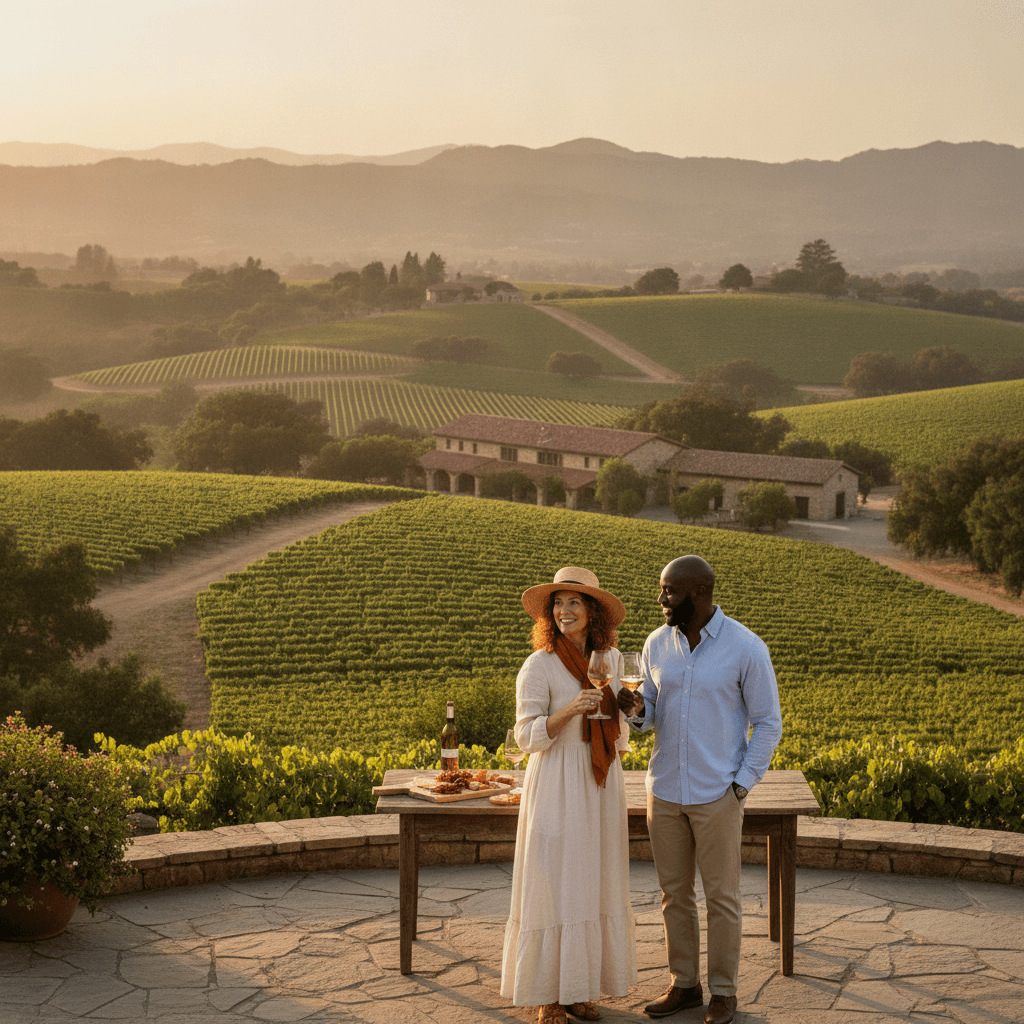
Best Napa Valley Wineries for Sonoma County Visitors
Introduction Napa Valley wineries attract wine enthusiasts from around the globe, offering some of California's most celebrated tasting experiences. For Sonoma County visitors, these renowned estates sit just a short dri
Introduction
Napa Valley wineries attract wine enthusiasts from around the globe, offering some of California's most celebrated tasting experiences. For Sonoma County visitors, these renowned estates sit just a short drive away—close enough for a day trip but distinct enough to offer fresh perspectives on wine country hospitality.
As a dedicated team of local hosts at Sonoma Grove Suites, we have the privilege of showcasing the hidden gems of Sonoma Valley to our visitors. While our focus is on Sonoma, we often get asked about Napa Valley wineries, especially by those exploring both regions. The proximity of these two renowned wine regions creates a unique opportunity for visitors to experience the best of California wine country in a single trip.
Napa Valley has earned its reputation as one of the world's premier wine destinations. The valley spans nearly 30 miles from Carneros in the south to Calistoga in the north, with over 400 wineries scattered across valley floors and mountain slopes. The challenge lies not in whether to visit, but in selecting which experiences will deliver the most memorable moments during your stay.
The landscape of Napa Valley wine tasting has evolved considerably in recent years. While the region is known for its established estates and grand tasting rooms, exploring beyond Sonoma Valley can lead to memorable tasting experiences that are often overlooked. Smaller tasting rooms operated by owners provide a more personal experience, allowing visitors to engage more deeply with hosts and understand the stories behind each bottle.
For visitors planning guided wine tours that span both valleys, understanding what makes Napa distinct helps in crafting a balanced itinerary. The region's diversity ranges from intimate family-run operations to architectural showcases, each offering different perspectives on winemaking excellence. Choosing the right combination ensures your time in wine country feels enriching rather than overwhelming.
The following guide focuses on helping Sonoma County visitors navigate Napa Valley wineries with confidence, identifying experiences that complement rather than duplicate what you'll discover in Sonoma. Whether you're drawn to specific varietals, architectural beauty, or intimate conversations with winemakers, the valley offers pathways suited to every preference and pace.
What Makes Choosing Napa Valley Wineries Challenging?
Sonoma County visitors planning a day trip to Napa Valley face a unique set of challenges when selecting wineries to visit. With hundreds of tasting rooms spread across the valley, narrowing down the options can feel overwhelming, especially for those unfamiliar with Napa's distinct sub-regions and winery personalities.
Navigating Overwhelming Choices
The sheer volume of wineries in Napa Valley creates decision paralysis. Visitors accustomed to Sonoma's more intimate, owner-operated tasting rooms may struggle to identify which Napa experiences offer similar authenticity versus commercial, high-volume operations. Without local knowledge, it's difficult to distinguish between wineries that prioritize genuine hospitality and those focused primarily on processing large tour groups.
Balancing Quality and Accessibility
Another common challenge involves balancing prestige with approachability. Some of Napa's most celebrated wineries maintain exclusive, appointment-only policies with limited availability and premium pricing. Visitors seeking group wine trips may find themselves caught between budget-friendly options that feel impersonal and boutique experiences that exceed their planned spending.
Geographic logistics compound the selection difficulty. Napa Valley stretches nearly thirty miles from Carneros in the south to Calistoga in the north, with wineries scattered across mountain slopes and valley floors. Visitors trying to maximize their day must consider drive times between properties, tasting appointment durations, and the physical stamina required for multiple stops.
Matching Expectations to Experience
Perhaps the most significant challenge lies in aligning winery selection with personal preferences and group dynamics. A winery perfect for serious collectors may bore casual wine enthusiasts, while a lively, social tasting room might frustrate visitors seeking educational depth. Without clear information about each property's atmosphere, wine styles, and hospitality approach, visitors risk booking experiences that don't match their expectations.
How to Choose the Right Napa Valley Wineries
Choosing the right Napa Valley wineries requires a thoughtful approach that balances your preferences with practical considerations. Follow these steps to create a memorable wine-tasting experience that complements your Sonoma County visit.
Identify Your Wine Preferences and Tasting Style
Step 1
Define your wine profile
Start by clarifying what you want from your Napa Valley experience. Are you drawn to bold Cabernet Sauvignons, elegant Pinot Noirs, or crisp Chardonnays? Consider whether you prefer intimate, owner-operated tasting rooms where you can ask detailed questions about the winemaking process, or larger estates with structured tours and educational components. Knowing your preferences helps narrow down the hundreds of options available.
When tasting in smaller venues, curiosity opens doors to deeper conversations with winemakers and hosts. Recently opened tasting rooms often provide that personal touch, where the people pouring the wine are the same ones crafting it.
Step 2
Research winery specialties and experiences
Once you know your preferences, research which Napa Valley wineries specialize in those varietals or offer the experiences you seek. Look for wineries that highlight specific vineyard elevations, blending techniques, or unique terroir characteristics. Some wineries focus on the art of blending components from different vineyard sites along mountain ranges, while others emphasize single-vineyard expressions.
Plan Your Route and Make Reservations
Step 3
Map your itinerary strategically
Napa Valley stretches along a geographic corridor, so planning your route efficiently saves time and enhances enjoyment. Group wineries by sub-region—such as Carneros, Oakville, or Rutherford—to minimize driving between tastings. Most visitors can comfortably visit three to four wineries in a day while still savoring each experience. Factor in travel time from Sonoma County, typically 30 to 60 minutes depending on your starting point.
Step 4
Consider pairing experiences
Elevate your visit by selecting wineries that offer food pairings or culinary components. Some estates feature multi-course fine dining experiences with chef-selected wine lineups, while others provide seasonal mezze presentations that explore unexpected flavor combinations. These culinary wine tours transform a simple tasting into a comprehensive sensory journey.
Evaluate Logistics and Comfort
Step 5
Arrange transportation and accommodations
Decide how you'll travel between wineries. Options include hiring a driver, joining a guided tour, or designating a non-drinking driver in your group. If you're staying in Sonoma County, consider whether you want to return the same day or book accommodations closer to Napa Valley for a more relaxed pace. Wine country escapes with farmhouse character and vineyard views provide convenient bases for exploration.
The best winery visits happen when logistics fade into the background, allowing you to focus entirely on the wine, the setting, and the stories behind each bottle.
Tips and Tricks
Maximizing your Napa Valley wineries experience requires thoughtful planning and a willingness to explore beyond the typical tourist path. Whether you're a Sonoma County local venturing across the valley or a visitor exploring both regions, these practical strategies will help you make the most of your wine country adventure.
Plan Your Visit During Off-Peak Hours
Timing can dramatically affect your winery experience. Weekday mornings typically offer quieter tasting rooms and more personalized attention from staff. Many wineries open at 10 or 11 AM, and arriving early allows you to enjoy a more intimate setting before afternoon crowds arrive. This approach mirrors the relaxed pace that defines Sonoma's wine country culture—taking time to savor each pour rather than rushing through a packed schedule.
Embrace Food and Wine Pairing Experiences
Elevate your tasting beyond the standard flight by seeking out culinary pairing opportunities. Vibrant seasonal food pairings can unlock unexpected flavor combinations and help you discover new dimensions in both wine and cuisine. These experiences transform a simple tasting into a memorable exploration of how food and wine interact on your palate.
Consider pairings that feature local, seasonal ingredients—they often showcase the terroir of the region in both the wine and the accompanying dishes. A well-designed mezze pairing, for instance, offers multiple flavor profiles that can highlight different characteristics in each wine you taste.
Choose Quality Over Quantity
Resist the temptation to pack too many wineries into a single day. Three to four thoughtfully selected stops allow you to truly appreciate each location without palate fatigue or rushing. This measured approach lets you explore vineyard grounds, ask questions, and absorb the unique character of each property. For those planning a comprehensive wine country experience, stay and wine tours offer curated itineraries that balance variety with depth.
Step 1
Start with a destination winery
Begin your day at a winery known for exceptional hospitality or unique experiences—perhaps one offering vineyard tours or estate walks. This sets a high bar and creates a memorable anchor for your day.
Step 2
Mix established and boutique producers
Balance your itinerary between well-known estates and smaller, family-owned wineries. Boutique producers often provide more intimate, personalized experiences and access to limited-production wines.
Step 3
End at a relaxed setting
Finish your day somewhere you can linger—a winery with outdoor seating, beautiful views, or a laid-back atmosphere where you can reflect on your tastings without feeling rushed.
Engage Authentically with Tasting Room Staff
The people pouring your wine are often passionate educators with deep knowledge of their region and craft. Ask open-ended questions about vineyard practices, winemaking decisions, or their personal favorite bottles. Share what you enjoy rather than what you think you should enjoy—honesty helps staff guide you toward wines that truly match your palate.
Many staff members can offer insider recommendations for other wineries, local restaurants, or hidden gems in the area. These personal suggestions often lead to the most memorable discoveries.
The best wine country experiences happen when visitors slow down, ask questions, and allow themselves to be surprised by unexpected flavor combinations and genuine connections.
Consider the Logistics
Always designate a driver or arrange professional transportation when visiting multiple wineries. Many Napa Valley wineries are spread across considerable distances, and navigating unfamiliar roads while tasting wine is neither safe nor enjoyable. Transportation services allow everyone in your group to fully participate in tastings without worry.
Bring water and light snacks to stay hydrated and maintain your palate between stops. A small cooler in your vehicle can preserve any wine purchases until you return to your accommodation.
Respect Reservation Requirements
Many Napa Valley wineries now require advance reservations, particularly for weekend visits. Book at least a week ahead for popular estates, and confirm your reservation the day before. Arriving on time shows respect for the staff's schedule and ensures you receive the full experience you've reserved.
If your plans change, cancel as early as possible—many wineries maintain waitlists and can accommodate other visitors with adequate notice.
Explore Beyond the Tasting Room
When available, opt for experiences that take you into the vineyards or production areas. Walking among the vines provides context for what you're tasting and deepens your appreciation for the winemaking process. Estate tours, barrel tastings, and vineyard walks offer perspectives you simply cannot gain from the tasting room alone.
Some properties feature art installations, historic buildings, or gardens worth exploring. These elements contribute to the overall sense of place that makes each winery unique.
Conclusion
Exploring Napa Valley wineries offers Sonoma County visitors an enriching extension of their wine country journey. From intimate family estates to renowned vineyards with breathtaking views, Napa Valley delivers memorable wine-tasting experiences that complement what Sonoma has to offer. The key is approaching your visit with thoughtful planning—booking reservations in advance, allowing ample time between tastings, and remaining open to discovering unexpected favorites along the way.
As a dedicated team of local hosts at Sonoma Grove Suites, we understand the allure of Napa's renowned wine country. Although our expertise lies in Sonoma, we believe that both regions have their unique charm and exceptional wineries, and it's always a pleasure to guide visitors in making the most of their wine tours. Whether you're drawn to the structured elegance of Napa's Cabernet Sauvignons or the relaxed hospitality of Sonoma's tasting rooms, the experience you create will leave a lasting impression.
The view is not incidental. It explains the wine.
The beauty of wine country exploration is that each vineyard tells its own story through the land, the people, and the wine itself. Your journey across both valleys becomes richer when you approach each tasting with curiosity and appreciation for the craft behind every bottle. For more inspiration on planning your complete wine country adventure, explore our guide to things to do in Sonoma County and al fresco dining experiences to round out your visit.
Whether this is your first visit or a return to familiar favorites, Napa Valley wineries await with open doors and glasses ready to pour. Take your time, savor each moment, and create the memorable experiences that will bring you back season after season.
FAQ
What are the best Napa Valley wineries for first-time visitors?
First-time visitors should seek wineries that balance education with hospitality. Look for estates offering structured tours that explain the winemaking process, paired with approachable tasting experiences. Smaller, family-owned wineries often provide more personalized attention than large commercial operations.
How many Napa Valley wineries can I visit in one day?
Most visitors comfortably visit three to four wineries in a single day. This pace allows time to savor each tasting, explore the property, and engage meaningfully with staff without rushing or experiencing palate fatigue.
Do Napa Valley wineries require reservations?
Many Napa Valley wineries now require advance reservations, particularly for weekend visits and during peak seasons. Book at least one week ahead for popular estates to ensure availability.
What is the distance between Sonoma County and Napa Valley?
The drive from Sonoma County to Napa Valley typically takes 30 to 60 minutes depending on your starting point and destination within each region.
What makes Napa Valley wineries different from Sonoma wineries?
Napa Valley wineries often emphasize Cabernet Sauvignon and structured, age-worthy reds, while Sonoma offers more diversity in varietals and typically maintains a more relaxed, owner-operated atmosphere. Both regions deliver exceptional wine experiences with distinct personalities.
Written by
Sonoma Grove Suites
Published November 7, 2026 · 9 min read
Sonoma Grove Suites is a dedicated team of local hosts passionate about showcasing the hidden gems of Sonoma Valley. With a wealth of knowledge about the area, they share their favorite spots, ensuring visitors experience the best of what this beautiful region has to offer.
You Might Also Like
More wine country insights and guides
Your Complete Guide to Sonoma Valley Wine Tours and Winery Visits
Introduction Sonoma Valley has earned its reputation as one of California's premier wine destinations, but not for the reasons you might expect. While neighboring regions draw crowds with flash and spectacle, Sonoma offe

Stay and Wine Tours: 9 Best Essential Sonoma Experiences
Discover stay and wine tours in Sonoma Valley with lodging options that perfectly integrate wine tasting adventures for an unforgettable experience.

Guided Wine Tours: 9 Best Ultimate Sonoma Valley Experiences
Explore guided wine tours in Sonoma Valley with insider tips on private tastings, expert recommendations, and unforgettable wine experiences.
Plan Your Wine Country Visit
Experience everything Sonoma Valley has to offer from our centrally-located suites.