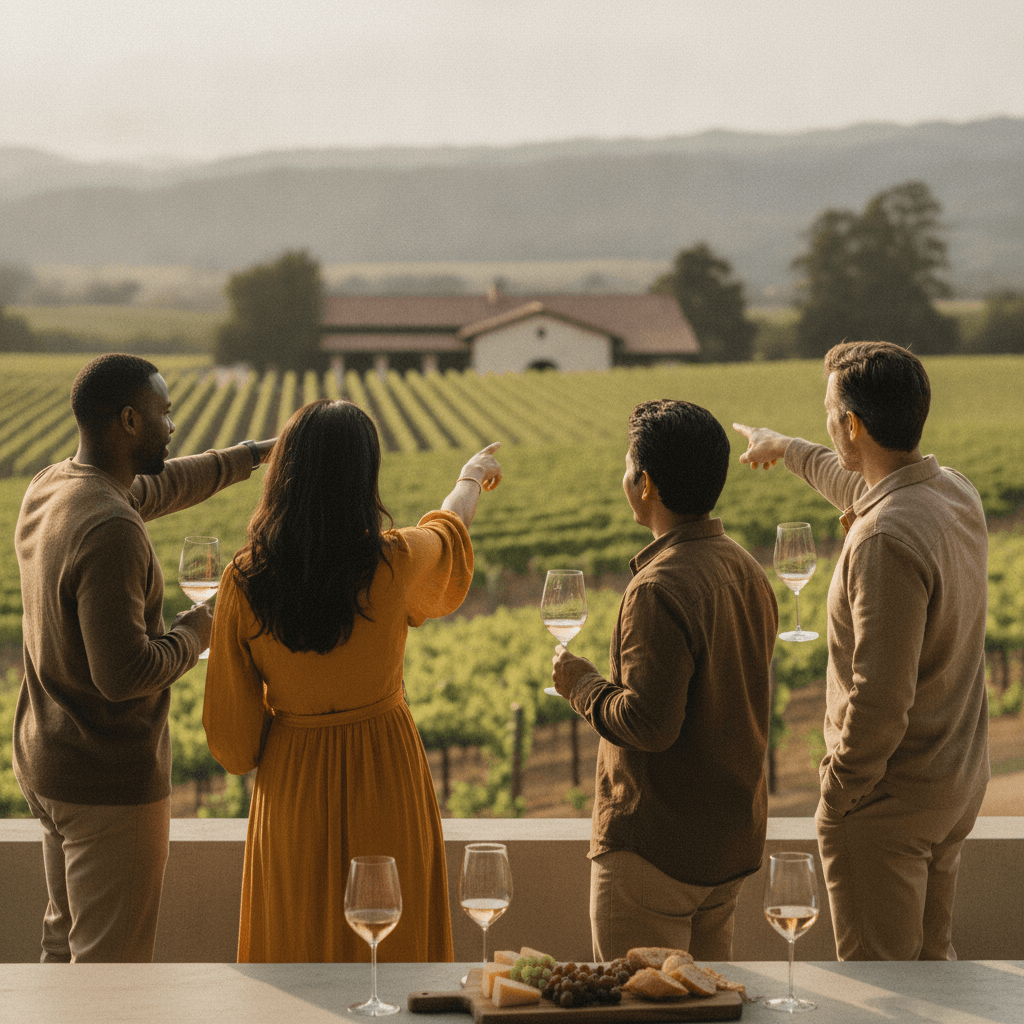
Your Complete Guide to Sonoma Valley Wine Tours and Winery Visits
Introduction Sonoma Valley has earned its reputation as one of California's premier wine destinations, but not for the reasons you might expect. While neighboring regions draw crowds with flash and spectacle, Sonoma offe
Introduction
Sonoma Valley has earned its reputation as one of California's premier wine destinations, but not for the reasons you might expect. While neighboring regions draw crowds with flash and spectacle, Sonoma offers something increasingly rare: the chance to slow down, savor, and connect with the people who actually make the wine.
The valley's 400-plus wineries span seventeen distinct American Viticultural Areas, each with its own microclimate, soil composition, and signature varietals. Whether you're drawn to the fog-cooled Pinot Noirs of the Russian River Valley or the sun-drenched Zinfandels of Dry Creek, Sonoma wine tours let you explore this diversity without the rigid formality that can define wine country elsewhere. Sonoma offers a perfect mix of luxury and laid-back vibes, making it an ideal spot for a relaxing getaway where tasting rooms feel more like living rooms and winemakers still pour their own wines.
But that accessibility comes with a catch: without a plan, it's easy to waste half your day navigating narrow country roads, arriving at fully booked tasting rooms, or missing the wineries that align with your actual preferences. The difference between a forgettable afternoon and a trip you'll recount for years often comes down to decisions made weeks before you arrive—which guided wine tours to book, how to pace your tastings, and what mistakes to avoid when the tasting room host asks if you have a reservation.
This guide walks you through every step of planning and executing a Sonoma wine tour that matches your taste, timeline, and travel style. You'll learn what defines a great tour, why the details matter more than you think, and how to sidestep the common pitfalls that turn promising itineraries into logistical headaches. Whether you're a first-time visitor or a returning enthusiast, the strategies ahead will help you drink better, learn more, and leave with stories worth sharing.
Explore Sonoma wine tours and winery visits with our complete guide, featuring tips, best practices, and FAQs for an unforgettable experience.
Table of Contents
- Introduction — Introduce readers to the allure of Sonoma Valley wine tours, highlighting their appeal and what to expect.
- Table of Contents
- What are Sonoma Wine Tours? — Define Sonoma wine tours and describe the different types available.
- Why Sonoma Wine Tours Matter — Discuss the significance of wine tours in the context of Sonoma's culture and economy.
- How to Plan Your Sonoma Wine Tour — Provide a step-by-step guide on how to select and plan an ideal wine tour experience in Sonoma.
- Best Practices for Enjoying Sonoma Wine Tours — Share top tips and best practices for making the most of your wine tour experience.
- Common Mistakes to Avoid on Sonoma Wine Tours — Identify frequent pitfalls that visitors encounter and how to avoid them for a better experience.
- Frequently Asked Questions about Sonoma Wine Tours — Address common questions and concerns that travelers may have regarding wine tours in Sonoma.
- Conclusion — Summarize the key points covered and encourage readers to embark on their own Sonoma wine adventure.
What are Sonoma Wine Tours?
Sonoma wine tours are curated experiences that guide visitors through one of California's most celebrated wine regions, offering tastings, vineyard walks, and insights into winemaking traditions. These tours range from intimate, appointment-only visits at boutique estates to large-group excursions that cover multiple wineries in a single day. The defining characteristic is access—whether you're sampling a curated collection of Pinot Noir and Chardonnay that reflects the region's terroir or learning about barrel aging from a winemaker, the tour structure creates opportunities that casual drop-ins rarely experience.
Types of Sonoma Wine Tours
The variety of tour formats means visitors can match their experience to their interests and schedule. Guided group tours typically include transportation, pre-arranged tastings at three to five wineries, and a knowledgeable guide who handles logistics and provides context about each stop. Private tours offer customization—you choose the wineries, set the pace, and often gain access to library wines or winemaker-led sessions not available on standard itineraries.
Self-guided tours appeal to visitors who prefer independence. You book your own tastings, arrange your own transportation (designated driver, rideshare, or bike), and move at your own rhythm. This format works well when you have specific wineries in mind or want to linger at a single estate for a culinary wine tour experience that pairs food with flight tastings.
What to Expect on a Typical Tour
Most tours begin with a welcome tasting—often a sparkling wine or a lighter varietal like Sauvignon Blanc—before moving into the main flight. You'll sample four to six wines, typically grouped by style or vineyard block, with the tasting room host explaining the winemaking choices behind each pour. Tours that include vineyard access often walk you through the rows where the grapes grow, pointing out soil variations, trellising techniques, and microclimates that shape the final wine.
The elegance of Sonoma's Pinot Noir selection showcases a delicate balance of red fruit nuances and refined complexity, particularly in the cooler Carneros and Russian River Valley appellations. Chardonnay, the region's other flagship varietal, ranges from crisp and mineral-driven to rich and oak-influenced, depending on the winemaker's approach. Understanding these distinctions becomes part of the tour narrative—you're not just tasting wine, you're learning how place and process intersect.
Each bottle encapsulates the delicate balance of red fruit nuances and refined complexity that defines Sonoma's winemaking tradition.
Membership and Exclusive Access
Some wineries offer membership programs that extend beyond the tour itself. These memberships provide exclusive access to new releases and rare, limited-production wines, along with exceptional pricing on tastings, wines, and curated culinary experiences. Members often receive invitations to elegant events at the winery and beyond, with tiered options that allow you to choose the level of engagement that fits your lifestyle. For frequent visitors or serious collectors, membership can be a practical way to deepen your connection to a particular estate.
Why Sonoma Wine Tours Matter
Sonoma wine tours represent far more than leisure travel—they form the economic backbone of one of California's most celebrated agricultural regions. Over the past two decades, California has emerged as one of the world's premier wine-producing regions, with Sonoma County standing at the forefront of this transformation. The county's wine tourism industry generates hundreds of millions in annual revenue while sustaining thousands of jobs across hospitality, agriculture, and transportation sectors.
The cultural significance of wine tours extends beyond economics. These experiences preserve and showcase generations of winemaking tradition, connecting visitors directly to the land, the craft, and the families who have shaped Sonoma's viticultural identity. When you participate in a wine tour, you're engaging with a living heritage that defines the region's character and community.
Economic Impact on Local Communities
Wine tourism creates a multiplier effect throughout Sonoma County. Tasting room visits drive patronage at local restaurants, boutique hotels, artisan shops, and service providers. Small family wineries that might struggle to compete in retail distribution channels find financial sustainability through direct-to-consumer sales facilitated by tours and tastings. This direct relationship between producer and consumer keeps revenue circulating within the community rather than flowing to distant distributors.
The industry also supports agricultural preservation. When vineyards remain economically viable through tourism, they resist pressure to convert to residential or commercial development. This protects the rural landscape that defines Sonoma's appeal and maintains the county's agricultural heritage for future generations.
Cultural and Educational Value
Sonoma wine tours serve as immersive educational experiences that deepen appreciation for viticulture and enology. Visitors learn how soil composition, microclimate, and winemaking philosophy combine to create distinctive wines. Chardonnay and Cabernet Sauvignon—the primary grape varieties that built Sonoma's reputation—offer accessible entry points, while lesser-known varietals introduce more adventurous palates to the region's diversity.
These educational encounters transform casual drinkers into informed enthusiasts who carry their knowledge home, expanding Sonoma's influence far beyond county borders. The stories shared during tastings—about harvest challenges, blending decisions, and family histories—create emotional connections that turn first-time visitors into lifelong advocates.
Building Lasting Connections
The intimacy of Sonoma wine tours fosters relationships that benefit both visitors and producers. Unlike mass-market retail transactions, tasting room experiences allow winemakers to share their vision directly and receive immediate feedback. Visitors who join wine clubs or mailing lists after tours become sustained revenue sources, while wineries gain brand ambassadors who recommend their favorites to friends and family.
For travelers seeking authentic experiences rather than manufactured attractions, guided wine tours offer genuine engagement with a working agricultural landscape. This authenticity has become increasingly valuable in an era where travelers prioritize meaningful connections over passive consumption.
Wine tourism preserves Sonoma's agricultural identity while creating economic pathways that keep family wineries viable across generations.
The significance of Sonoma wine tours ultimately lies in their role as cultural exchange—a space where tradition meets innovation, where agriculture intersects with hospitality, and where visitors become participants in an ongoing story rather than mere spectators.
How to Plan Your Sonoma Wine Tour
Planning a wine tour in Sonoma requires more than picking a few wineries off a map. The region's diversity—from family-run estates to certified organic vineyards—means your itinerary should reflect what you actually want to experience, whether that's intimate barrel-room tastings or scenic courtyard flights. Start by deciding your priorities: varietal focus, property style, or the level of interaction you're seeking with the winemakers themselves.
Choose Your Wineries Based on Experience Type
Sonoma offers everything from casual walk-in tastings to curated experiences hosted by the owners and makers themselves. Smaller venues operated by the winemakers provide a level of personal attention that larger tasting rooms can't match—you'll get direct answers to your questions and often feel like you're visiting someone's home rather than a commercial operation. If you're drawn to classic Sonoma tastings with a distinctive character, look for properties that offer estate-grown wine flights in settings like winery courtyards or barrel rooms, where the environment enhances the tasting.
Curious visitors tend to receive more attention from hosts, especially in intimate settings. When you ask thoughtful questions about vineyard practices, winemaking decisions, or the estate's history, you open the door to deeper conversations and often extended time with the people who know the wines best.
Step 1
Decide on your tasting format
Determine whether you want guided experiences with reserved seating or the flexibility of walk-in visits. Guided tastings typically offer curated flights and dedicated host time, while walk-ins allow spontaneity but may limit your seating options during busy periods.
Step 2
Book reservations strategically
Reservations are encouraged, especially on weekends, to ensure a seated tasting experience. If you prefer to walk in without advance booking, visit on a weekday for the best chance of securing a table. Properties often fill their weekend slots days in advance, so plan accordingly if your schedule is fixed.
Step 3
Map your route by region
Sonoma's sub-regions—Carneros, Russian River Valley, Dry Creek Valley, and Sonoma Valley proper—each have distinct microclimates and varietal strengths. Group your winery visits geographically to minimize drive time and maximize tasting time. A well-planned route keeps you fresh and engaged rather than fatigued by the road.
Factor in Timing and Logistics
Most Sonoma wineries operate on schedules that accommodate both locals and visitors, with many opening around mid-morning and offering last seating for tastings in the late afternoon. Properties typically welcome guests through early evening, but last seating times mean you'll need to arrive with enough buffer to complete your tasting before the venue closes. If you're planning multiple stops, allow at least 90 minutes per winery—enough time to taste thoughtfully, ask questions, and enjoy the setting without rushing.
Transportation matters. If you're tasting at multiple wineries, designate a driver, hire a tour service, or arrange rideshare in advance. Sonoma's rural roads and winding vineyard routes aren't conducive to impaired driving, and the region takes wine safety seriously.
Align Your Visit with What You Want to Learn
The best wine tours are the ones where you leave knowing more than when you arrived. If you're interested in organic or biodynamic viticulture, seek out certified estates that can walk you through their farming practices in the vineyard itself. If you want to understand how site-specific terroir shapes a wine's character, look for properties that offer vineyard tours alongside tastings, so you can see the soil, slope, and sun exposure that influence what's in your glass.
For those exploring beyond a single valley, Sonoma's proximity to neighboring appellations means you can design a tour that contrasts styles, elevations, or winemaking philosophies within a single day. The key is intentionality—choose wineries that offer what you're genuinely curious about, not just the ones with the most polished marketing.
If you're looking for a complete Sonoma experience that combines wine tasting with local culture and activities, our guide to guided wine tours covers curated itineraries that take the planning off your plate.
Best Practices for Enjoying Sonoma Wine Tours
Maximizing your wine tour experience in Sonoma requires more than just showing up—it demands thoughtful preparation and engagement. The difference between a forgettable afternoon and a memorable journey through wine country often comes down to a few strategic choices that enhance both your enjoyment and your understanding of what makes Sonoma special.
Make Reservations in Advance
Reservations are encouraged, especially on weekends, to ensure a seated tasting experience. Walk-in availability varies significantly by day and season, with weekdays offering your best chance for spontaneous visits. Booking ahead guarantees your spot and often unlocks access to exclusive experiences that aren't available to casual drop-ins.
Engage with Curiosity
Curious visitors tend to receive more attention from hosts at wineries and tasting rooms, especially in smaller venues. Ask questions about the vineyard's history, the winemaking process, or what makes a particular vintage unique. Hosts appreciate genuine interest and often share insights that transform a standard tasting into an educational experience. Smaller, owner-operated tasting rooms create an atmosphere where you're visiting someone's home rather than just another commercial venue.
Pace Yourself Throughout the Day
Limiting your itinerary to three or four wineries allows time to savor each experience without palate fatigue. Rushing through six or seven tastings in a single day diminishes your ability to appreciate subtle differences between wines and leaves little room for the conversations and discoveries that make wine touring memorable. Build buffer time between appointments for travel, breaks, and those unexpected moments when you want to linger.
The best wine tours prioritize depth over breadth—three meaningful experiences outweigh seven rushed ones.
Consider Pairing Experiences
Many wineries now offer culinary wine tours that elevate the tasting beyond the glass. Fine dining experiences feature exquisite seasonal delicacies paired with chef-selected wine lineups, while more casual pairings explore unexpected flavor combinations with mezze boards and artisan snacks. These food-and-wine experiences provide context for how wines perform at the table, not just in the tasting room.
Choose Wineries Aligned with Your Values
Consider sustainability when choosing wineries to visit, as many prioritize environmental care in their operations. Certified organic vineyards, biodynamic practices, and carbon-neutral facilities reflect a commitment that extends beyond the bottle. Visiting these properties supports responsible stewardship and often correlates with distinctive, terroir-driven wines that express their place of origin with clarity.
Dress Appropriately for the Setting
Comfortable, weather-appropriate clothing makes a significant difference in your enjoyment. Layers work well in Sonoma's variable climate, where mornings can be cool and afternoons warm. Closed-toe shoes with good traction are essential if you plan to tour vineyards or barrel rooms. Many wineries welcome a smart-casual dress code—think resort wear rather than formal attire.
Take Notes and Photos
Capturing details about wines you enjoy helps you remember favorites and build your wine knowledge over time. Note the vintage, varietal, and what you liked about each wine. Photos of labels, vineyard views, and tasting room settings serve as memory anchors when you're trying to recall a specific bottle weeks or months later. Most wineries encourage photography of their grounds and wines.
Common Mistakes to Avoid on Sonoma Wine Tours
Even seasoned travelers stumble when planning wine country visits. The difference between a frustrating day and a memorable experience often comes down to a few preventable missteps. Understanding what derails most tours helps you sidestep the pitfalls that turn relaxation into stress.
Skipping Reservations on Peak Days
Showing up without a booking might work at a casual restaurant, but wineries operate differently. Reservations are encouraged, especially on weekends, to ensure a seated tasting experience. Walk-ins face long waits or outright rejection when tasting rooms reach capacity. If you prefer spontaneity, visit on a weekday for the best chance of a seated tasting without advance planning.
Overpacking Your Itinerary
Ambitious schedules backfire in wine country. Cramming five wineries into one day leaves you rushed, exhausted, and unable to appreciate the subtleties of each stop. Travel time between properties, tasting durations, and the cumulative effect of alcohol all demand realistic pacing. Three wineries per day is the practical maximum for most visitors.
Quality conversations with winemakers and unhurried exploration of vineyard grounds require time you won't have if you're racing to the next appointment. Build buffer time between tastings and accept that you'll return for future visits rather than attempting to see everything at once.
Ignoring Transportation Logistics
Drinking and driving is illegal and dangerous, yet some visitors underestimate how quickly wine adds up across multiple tastings. Designating a sober driver sounds simple until that person resents missing the experience everyone else enjoys. Professional transportation—whether a guided tour, rideshare service, or hired driver—eliminates this tension and lets everyone participate fully.
Parking availability varies wildly between wineries. Some offer ample lots while others have limited spaces that fill early on busy days. Arriving in a large vehicle without confirming parking accommodations can leave you scrambling or forced to skip a reservation.
Wearing Inappropriate Clothing and Footwear
Sonoma's terrain isn't forgiving to fashion-forward choices. Stiletto heels sink into gravel paths and vineyard soil. Formal business attire feels out of place in casual tasting rooms and becomes uncomfortable during warm afternoons. Many properties encourage outdoor exploration—cave tours, barrel room visits, vineyard walks—that require practical footwear and layers for changing temperatures.
Check each winery's specific dress code before your visit. Most embrace smart casual, but a few upscale venues expect elevated attire for certain experiences.
Neglecting Food and Hydration
Alcohol on an empty stomach accelerates impairment and diminishes your ability to discern wine characteristics. Tasting rooms offer snacks and charcuterie, but these small plates don't substitute for proper meals. Plan substantial food between wineries or before your first tasting.
Water intake matters as much as food. Dehydration intensifies alcohol's effects and leaves you foggy rather than energized. Carry a water bottle and drink consistently throughout the day, not just when you feel thirsty.
Focusing Only on Famous Names
Iconic labels attract crowds, but Sonoma's smaller producers often deliver more intimate experiences and exceptional wines. Chasing brand recognition means you'll encounter larger groups, less personalized attention, and higher prices. Guided wine tours can introduce you to hidden gems that match your preferences better than the wineries everyone recognizes.
The most memorable tastings happen where winemakers have time to share their stories, not where tour buses unload by the dozen.
Treating Tasting Room Staff as Servers
Winery hosts are educators and ambassadors, not bartenders. Approaching them with curiosity rather than demands transforms your experience. Ask about vineyard practices, vintage variations, or food pairing suggestions. Show genuine interest in their recommendations instead of requesting only the premium pours.
Rude behavior, excessive drinking, or treating tastings as free happy hours gets you escorted out. Tipping is customary for good service, even though tasting fees are prepaid.
Bringing Outside Food Without Permission
Many wineries prohibit outside food to protect their hospitality programs and partnerships with local caterers. Arriving with a picnic basket you can't use creates awkward situations and may violate the property's policies. Confirm food policies before your visit or plan to purchase what the winery offers.
Forgetting About Seasonal Considerations
Summer weekends bring peak crowds and heat. Harvest season offers stunning vineyard views but also means winemakers are focused on production rather than entertaining guests. Winter visits provide solitude and lower prices, though some properties reduce hours or close certain days.
Weather shifts quickly in wine country. Morning fog burns off to reveal hot afternoons, then cool evenings return. Layers, sunscreen, and weather checks prevent discomfort that derails otherwise perfect days.
Frequently Asked Questions about Sonoma Wine Tours
Do I need reservations for Sonoma wine tastings?
Reservations are strongly encouraged, especially on weekends. Many Sonoma wineries now require advance bookings to ensure personalized experiences and manage capacity. While some properties accept walk-ins on weekdays, arriving without a reservation on Saturday or Sunday often means limited availability or no seating at all.
If you prefer spontaneity, plan walk-in visits for midweek mornings when tasting rooms are less crowded. Always call ahead or check the winery's website for their current reservation policy—some require bookings for all visits, while others reserve a few tables for walk-ins.
What are typical operating hours for Sonoma wineries?
Most Sonoma wineries operate daily from late morning through early evening, with tasting rooms typically open from 11:00am to 5:30pm. The last seating for tastings usually occurs around 4:00pm, giving guests enough time to complete their experience before closing.
Hours can vary seasonally and by property, so verify specific timing when making reservations. Some smaller family-owned wineries may close one or two days per week or operate shorter hours during winter months.
Can I bring my family and pets to Sonoma wineries?
Many Sonoma wineries welcome families and well-behaved dogs, creating a relaxed atmosphere for all visitors. Properties with expansive grounds, picnic areas, or outdoor seating often accommodate children and leashed pets comfortably.
Before bringing kids or dogs, confirm the winery's policy—some reserve certain experiences exclusively for adults or restrict pets from indoor tasting areas. Pack entertainment for children during tastings, and always supervise pets to respect other guests and the property.
What should I wear on a Sonoma wine tour?
Dress in comfortable, casual layers that work for both indoor tasting rooms and outdoor vineyard settings. Sonoma's wine country maintains a relaxed vibe where smart casual attire fits perfectly—think clean jeans or slacks with a nice top, comfortable walking shoes, and a light jacket for temperature changes.
Avoid high heels, especially if you plan to walk through vineyards or gravel pathways. Bring sun protection for outdoor tastings: a hat, sunglasses, and sunscreen are essential during warmer months. If you're visiting multiple wineries, choose breathable fabrics that layer easily as temperatures shift throughout the day.
How many wineries should I visit in one day?
Plan for three to four wineries maximum in a single day to maintain an enjoyable, unhurried pace. Rushing through five or more stops turns the experience into a checklist rather than an opportunity to savor wines, learn about winemaking, and connect with the region.
Each tasting typically lasts 60 to 90 minutes when you include travel time between properties, conversation with hosts, and exploring the grounds. Build buffer time into your schedule for unexpected discoveries, longer conversations with winemakers, or simply relaxing in a beautiful setting. For a deeper dive into planning your itinerary, explore our guide to guided wine tours.
Are food and snacks allowed at Sonoma wineries?
Most Sonoma wineries prohibit outside food to encourage guests to purchase their on-site offerings and support their culinary programs. Many properties provide cheese plates, charcuterie boards, seasonal snacks, or full food menus that pair beautifully with their wines.
If you have dietary restrictions, contact the winery in advance to discuss available options. Some properties accommodate special needs with advance notice, while others may direct you to nearby restaurants or picnic areas where outside food is permitted.
What's the difference between a tasting and a tour?
A tasting focuses on sampling a curated selection of wines, typically in a seated setting with a knowledgeable host who guides you through each pour. Tours add a behind-the-scenes component, taking you through vineyards, production facilities, barrel rooms, or wine caves while explaining the winemaking process from grape to bottle.
Tastings generally last 45 to 75 minutes and cost between $25 and $75 per person, depending on the wine selection and setting. Tours with tastings run longer—often 90 minutes to two hours—and command higher fees reflecting the additional education and access. Choose tours when you want deeper insight into winemaking; opt for tastings when you prefer to focus on the wines themselves.
How much should I budget for a day of wine tasting in Sonoma?
Expect to spend $100 to $200 per person for a full day of wine tasting, covering tasting fees at three to four wineries. This baseline budget assumes standard tastings at $30 to $50 per person, with no wine purchases or food beyond light snacks.
Add transportation costs—whether that's a hired driver, tour service, or rideshare fees—plus lunch, additional snacks, and any wine bottles you purchase to take home. Premium experiences, private tastings, or food-and-wine pairings increase costs substantially, sometimes reaching $75 to $150 per person at a single property. Building a realistic budget prevents sticker shock and lets you enjoy the experience without financial stress.
Conclusion
Planning sonoma wine tours requires thoughtful preparation, but the reward is an unforgettable journey through one of California's most celebrated wine regions. From selecting the right wineries and booking tastings in advance to choosing transportation that keeps everyone safe and comfortable, each decision shapes your experience. The key is balancing structure with spontaneity—have a plan, but leave room for the unexpected conversations, hidden tasting rooms, and scenic detours that often become the most cherished memories.
Whether you're drawn to intimate family-owned estates or multi-course culinary pairings at established vineyards, Sonoma Valley offers experiences for every palate and preference. Avoid the common pitfalls of overbooking your day, skipping appointments, or neglecting to pace yourself, and you'll find that wine country rewards those who approach it with curiosity and respect. Ask questions, engage with the winemakers when you can, and remember that the best tours are those where you leave with not just bottles, but stories.
As you finalize your itinerary, consider exploring guided wine tours that take the logistics off your plate while delivering insider access to the region's finest producers. The vineyards are waiting, the tasting rooms are ready, and your Sonoma wine adventure is just one reservation away. Raise a glass to the journey ahead—you've earned it.
Written by
Sonoma Grove Suites
Published November 8, 2026 · 20 min read
Sonoma Grove Suites is a dedicated team of local hosts passionate about showcasing the hidden gems of Sonoma Valley. With a wealth of knowledge about the area, they share their favorite spots, ensuring visitors experience the best of what this beautiful region has to offer.
You Might Also Like
More wine country insights and guides
Best Napa Valley Wineries for Sonoma County Visitors
Introduction Napa Valley wineries attract wine enthusiasts from around the globe, offering some of California's most celebrated tasting experiences. For Sonoma County visitors, these renowned estates sit just a short dri

Stay and Wine Tours: 9 Best Essential Sonoma Experiences
Discover stay and wine tours in Sonoma Valley with lodging options that perfectly integrate wine tasting adventures for an unforgettable experience.

Guided Wine Tours: 9 Best Ultimate Sonoma Valley Experiences
Explore guided wine tours in Sonoma Valley with insider tips on private tastings, expert recommendations, and unforgettable wine experiences.
Plan Your Wine Country Visit
Experience everything Sonoma Valley has to offer from our centrally-located suites.